Cities in motion: lessons from congestion pricing in New York City
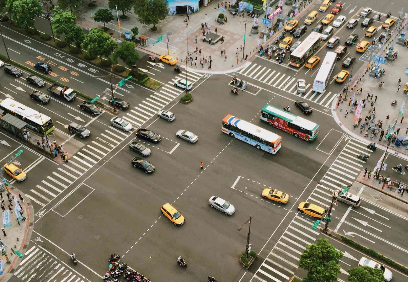
A Strategic Catalyst for Modern Urban Transit & Climate Resilience
Traffic congestion is not merely an inconvenience it is a systemic economic drain, a major driver of urban air pollution, and a primary barrier to equitable mobility. Dense metropolitan areas worldwide face a recurring cycle: overcrowded roadways diminish economic productivity, while underfunded public transit networks lack the capital required to offer viable alternatives.
Congestion pricing operates as a market-based intervention designed to break this cycle. By placing a dynamic charge on vehicular access to dense urban zones, cities simultaneously manage road demand and generate dedicated capital streams to transform public transit.
Drawing on lessons from New York City alongside global precedents in Singapore, London, Stockholm, and Milan, this strategic briefing outlines the measurable impacts of congestion pricing and the political, operational, and financial frameworks required to execute it successfully.
The Dual-Impact Engine of Congestion Pricing
Congestion pricing functions as both a demand-management tool and a revenue-generation engine.
┌──────────────────────────────────────────────────────────────────────────────────────────┐
│                                DUAL-IMPACT MECHANISM                                    │
├────────────────────────────────────────────┬─────────────────────────────────────────────┤
│        DEMAND-SIDE: DEMODAL SHIFT          │        SUPPLY-SIDE: INFRASTRUCTURE          │
├────────────────────────────────────────────┼─────────────────────────────────────────────┤
│ • Dynamic pricing disincentivizes non-     │ • Directs 100% of toll revenue into public  │
│   essential vehicle trips in central zones.│   transit capital improvements.             │
│ • Reduces gridlock, lowering emissions and │ • Upgrades rail, expands bus networks, and  │
│   improving emergency response times.       │   improves station accessibility.           │
└────────────────────────────────────────────┴─────────────────────────────────────────────┘
Global Precedents & Performance Metrics
Across every global city that has deployed zone-based pricing, the multi-benefit outcomes remain remarkably consistent:
| City | Program Model | Primary Key Performance Indicator (KPI) Impact |
| New York City | Central Business District Tolling | Dedicated capital funding for regional transit system upgrades. |
| London | Congestion Charge Zone (CCZ) | 20% reduction in traffic volume; major expansion of bus fleets. |
| Singapore | Electronic Road Pricing (ERP) | Real-time dynamic toll adjustments based on corridor speeds. |
| Stockholm | Seasonal/Time-of-Day Charges | Initial trial shifted public opinion from majority opposed to majority supportive. |
| Milan | Area C (Eco-Pass Hybrid) | Substantial drop in high-emission vehicles entering the historic core. |
The 10-Pillar Implementation Playbook for City Leaders
Implementing congestion pricing requires managing complex political, technical, and social landscapes. The following ten strategies reflect the core factors behind successful municipal rollouts:
┌──────────────────────────────────────────────────────────────────────────────────────────┐
│                             TACTICAL ROLLOUT STAGES                                     │
├────────────────────────────┬────────────────────────────┬────────────────────────────────┤
│ 1. TRANSIT READINESS       │ 2. COALITION BUILDING      │ 3. LEGISLATED REVENUE          │
│ Expand transit capacity    │ Unify environmentalists,   │ Statutorily lock funds into    │
│ before tolls take effect.  │ transit, and business groups.│ capital transportation projects.│
└────────────────────────────┴────────────────────────────┴────────────────────────────────┘
1. Upgrade Transit Prior to Toll Execution
Residents must have high-quality alternative transit modes available before driving incurs a toll. Investing in bus frequency, rail reliability, and active transportation networks prior to or alongside launch minimizes disruption.
2. Statutorily Lock Revenue for Capital Works
Toll revenues must be legally ring-fenced exclusively for public transit capital projects. This guarantees a closed-loop financial ecosystem where drivers clearly see toll revenues funding public transport improvements.
3. Frame the Policy Around Solutions, Not Taxes
Framing congestion pricing as a “driver tax” triggers immediate political resistance. Positioning it as a targeted solution to specific, agreed-upon problems such as gridlock, degraded air quality, or underfunded infrastructure aligns diverse stakeholder groups around clear public outcomes.
4. Construct a Broad Advocacy Coalition
Systemic policy changes require support beyond municipal government. Successful cities build broad coalitions uniting business associations, environmental advocacy groups, labor unions, and transit access campaigns to educate the public and navigate political opposition.
5. Execute Deep, Multi-Stage Community Engagement
Broad public consultations, localized town halls, and direct outreach to community leaders help refine policy designs. Incorporating community input ensures local concerns are directly addressed in the final program architecture.
6. Implement Targeted Equity & Environmental Mitigation Packages
To address equity and environmental justice concerns, cities must craft tailored mitigation strategies. This includes targeted exemptions or rebates for low-income residents, residents with disabilities, and communities disproportionately affected by peripheral traffic shifts.
7. Phase Implementation & Utilize Pilot Programs
Deploying intermediate steps such as targeted fee structures for ride-hailing/for-hire vehicles, enhanced traffic enforcement, or time-bound trial periods allows municipal agencies to adjust technology, monitor traffic shifts, and build public trust.
8. Leverage Exploratory Studies to Build Policy Readiness
Even if political conditions prevent immediate adoption, conducting rigorous feasibility studies establishes an empirical baseline, addresses community concerns early, and ensures the policy design is actionable when political alignment occurs.
9. Optimize System Design for Universal Benefit
Pricing structures should target the most congested corridors during peak travel windows. Highly targeted design ensures that remaining drivers benefit from faster travel times, transit riders gain higher service frequency, and pedestrians experience safer, cleaner streets.
10. Commit Political Capital to a Long-Term Urban Vision
Pioneering congestion pricing requires decisive leadership willing to navigate short-term political headwinds. As demonstrated in London and Stockholm, initial public skepticism drops significantly once traffic clears, transit improves, and public health benefits materialize.
Congestion pricing shifts urban infrastructure from a state of passive gridlock to managed efficiency. By aligning policy goals, securing dedicated capital for public transit, and executing a transparent rollout, cities can reduce emissions, revitalize transport networks, and build more resilient, accessible urban centers.
source: