
Emission breakout by scope
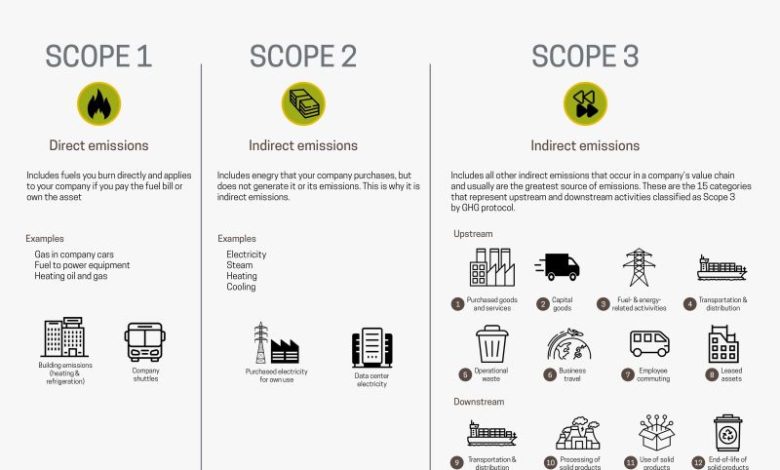
If you can’t measure it, you can’t manage it. That’s especially true for carbon emissions, where understanding Scope 1, 2, and 3 emissions is the first step toward meaningful climate action.
The Big Picture: What Are We Counting?
- Scope 1: The emissions a company directly controls fuel burned in company vehicles, on-site manufacturing, or industrial processes.
- Scope 2: Indirect emissions from purchased electricity, steam, heating, or cooling.
- Scope 3: The real heavyweight emissions across the value chain, including suppliers, product use, and transportation.
Scope 3 is often the largest share of a company’s footprint, yet it remains the hardest to measure and tackle. But here’s the truth: without a full value chain perspective, even the best-intended climate goals can miss the mark.
Beyond Measurement: The Action Imperative
Knowing your emissions is just the beginning. Real impact comes from reduction strategies:
Scope 1: Cleaner fuels, energy-efficient operations, and electrification.
Scope 2: Transitioning to renewables, power purchase agreements, and efficiency improvements.
Scope 3: Sustainable procurement, circular design, and supply chain collaboration.
Scope 3 reductions require engagement beyond company walls. Suppliers, partners, and even customers play a role. Without clear data and strong collaboration, companies risk greenwashing rather than achieving real sustainability.
Why This Matters Now
Investors, regulators, and consumers are demanding greater transparency. Companies that fail to measure and reduce emissions face increasing risks regulatory penalties, reputational damage, and lost market opportunities. On the flip side, those leading the way in emissions reduction gain a competitive edge.
Collaboration is Key
No company operates in isolation. Industries must work together to create standardized emissions reporting, improve verification methods, and scale impactful solutions. Technology AI, blockchain, IoT can help streamline data collection and drive accountability.
Reducing emissions isn’t just about compliance it’s about resilience, efficiency, and long-term success. Prioritizing sustainability today ensures businesses stay relevant in a future where carbon accountability isn’t optional. The time to act is now.
source :


