From Banana Waste to Sustainable Products
From Banana Waste to Sustainable Products
What if agricultural waste could become a valuable resource?
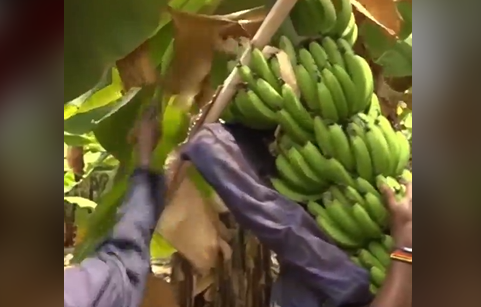
In Uganda, TEXFAD is turning discarded banana plant stems into natural fibers used to create rugs, mats, lampshades, coasters, yarn and more.
The process demonstrates the potential of circular manufacturing:
🍌 Agricultural waste becomes raw material.
🧵 Natural fibers become textile inputs.
🪡 Local skills transform fibers into products.
🏠 Production creates income and livelihood opportunities.
Beyond recovering valuable biomass, TEXFAD combines sustainable material innovation with textile training and local manufacturing.
The bigger opportunity is significant. Agricultural residues from bananas and other crops could support new industries in textiles, packaging, construction and bio-based materials.
This is what a circular economy looks like in practice: keeping resources in use, reducing waste and creating economic value from materials often overlooked.
Sometimes, the next sustainable material isn’t waiting to be invented. It’s already growing around us.