Green carbon vs blue carbon: what’s the difference and why it matters

Our Planet’s Natural Carbon Sinks: The Power of Green and Blue Carbon
When we talk about climate change, the conversation often revolves around emissions—how to cut them, capture them, and offset them. But a crucial part of the solution lies in a natural process that has been happening for millennia: the planet’s ability to capture and store carbon. This process is driven by two essential forces: green carbon and blue carbon.
These two terms describe where and how carbon dioxide (CO2) is absorbed by Earth’s ecosystems. Understanding the difference between them is vital for effective climate action, informed carbon policy, and smart sustainability strategies.
What Is Green Carbon?
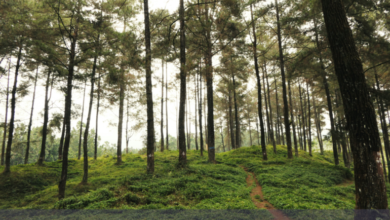
Green carbon is the carbon captured by land-based ecosystems. Think of forests, grasslands, and agricultural lands these are our planet’s primary terrestrial carbon sinks. Through photosynthesis, trees, shrubs, and even crops absorb CO2 from the atmosphere, storing it in their biomass (trunks, branches, leaves) and in the surrounding soil.
Green carbon ecosystems are everywhere, from the vast tropical rainforests to the farmlands in your local community. When healthy and well-managed, they can store carbon for decades or even centuries. This makes them a cornerstone of climate strategies, including:
- Afforestation and reforestation efforts
- Regenerative agriculture and soil carbon programs
- Sustainable land use and forest protection
Beyond their role in carbon storage, green carbon ecosystems provide critical services like regulating rainfall, filtering air and water, and supporting global food systems. However, they are also vulnerable. Events like deforestation, land degradation, and wildfires can release centuries of stored carbon back into the atmosphere, undoing years of progress in a single event.
What Is Blue Carbon?
Blue carbon refers to the carbon captured by coastal and marine ecosystems. This includes a unique and powerful group of habitats such as mangrove forests, seagrass meadows, and tidal salt marshes. These ecosystems are among the most effective long-term carbon sinks on Earth.
While they absorb carbon in their plant life, the real magic of blue carbon lies in their ability to store it in deep, underwater sediments. This carbon can remain undisturbed for thousands of years, far longer than most terrestrial storage. In fact, these systems can sequester up to ten times more carbon per hectare than land-based forests.
Beyond their exceptional carbon storage capacity, blue carbon ecosystems provide a wealth of other benefits:
- They act as natural barriers, protecting coastlines from erosion and storm surges.
- They serve as crucial nurseries for marine life, supporting biodiversity and local fisheries.
- They filter pollutants, improving water quality and ecological health.
Like their green counterparts, these vital ecosystems are under threat from coastal development, pollution, and rising sea levels. When damaged, they can release their massive carbon stores, becoming a source of emissions instead of a sink.
Why the Difference Matters
The key distinction between green and blue carbon lies in their location, storage mechanism, and longevity:
| Feature | Green Carbon | Blue Carbon |
| Location | Land-based ecosystems (forests, grasslands) | Coastal and marine ecosystems (mangroves, seagrasses) |
| Storage Mechanism | Primarily in vegetation and soil | In vegetation and deep, anaerobic underwater sediments |
| Storage Longevity | Decades to centuries; vulnerable to fire and land use changes | Millennia; highly stable when undisturbed |
| Primary Threats | Deforestation, wildfires, land degradation | Coastal development, pollution, sea-level rise |
The challenge moving forward isn’t to choose one over the other. Both are vital, powerful tools in the fight against climate change. Green carbon is a well-established part of global climate policy, while blue carbon is emerging as a critical, high-potential solution for long-term climate resilience, especially for coastal communities.
By protecting, restoring, and investing in both green and blue carbon, we can harness the full power of nature to stabilize our climate and build a more resilient future.