Delivering water resilience to cities: transforming challenges into opportunities for a thriving future
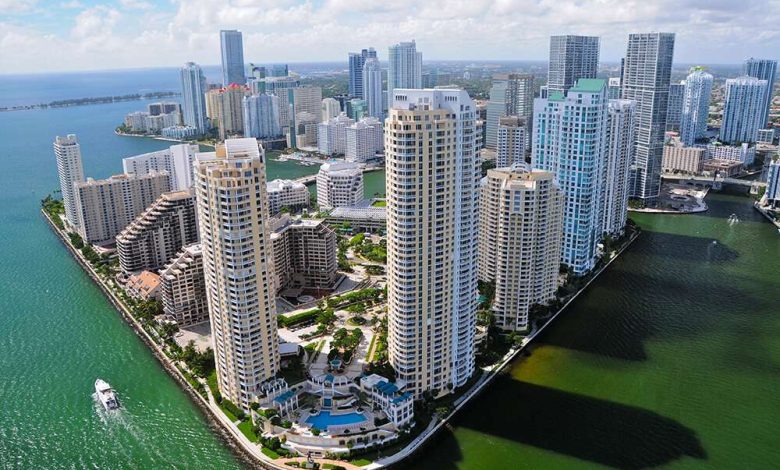
The climate crisis often paints a daunting picture, one that can feel overwhelming and out of reach. But in the face of these challenges, solutions do exist—solutions that, with determination and cooperation, are within our grasp. As leaders of two cities on opposite sides of the Americas, we are here to share how we are confronting one of the most pressing challenges of our time: water. Miami-Dade and Santiago, though geographically distant, share an urgent commonality—water resilience. In our cities, the availability, quality, and management of water are being tested like never before. However, we believe that by acting now and working together, we can shape a future where our cities not only survive but thrive.
Miami-Dade: A Delicate Balance Between Land and Water
In Miami-Dade, we face a future marked by rising sea levels—predicted to rise by 2 feet by 2060—flooding our streets and homes, overwhelming our infrastructure, and threatening the very systems that provide us with clean water. Our water system, heavily reliant on the Biscayne Aquifer, is vulnerable. This aquifer, fed by the wetlands that once filtered and replenished its waters, faces the growing risk of saltwater intrusion as the sea encroaches further inland. Without immediate action, these risks could upend our entire water system and devastate the community.
In response, we’ve launched bold initiatives. Our “One Water Strategy” seeks to recycle every drop of surface water—transforming stormwater into a vital resource for our rivers, canals, and coastal ecosystems. At the same time, aging infrastructure and increasing storm surges demand new approaches. Through our Connect 2 Protect program, we are extending sanitary sewer services to homes that rely on septic tanks, reducing the risk of contamination and safeguarding our water resources. And as the sea rises, we are learning to live with more water, using strategies like land elevation and pilings for buildings to adapt to this new reality.
Santiago: Learning to Live with Less Water
Santiago, on the other hand, is grappling with a scarcity of water. Chile is enduring its worst drought in recorded history, with no end in sight. As the Andean glaciers melt at an accelerating pace, the water that once flowed abundantly into the city is drying up. The impact of this is devastating—by 2022, 42.5% of the region’s municipalities had declared a hydric emergency, and our aquifers are being depleted faster than they can be replenished. This is not just a challenge; it’s an existential crisis for 8 million people who rely on this precious resource.
In response, Santiago has acted decisively. In 2018, we launched the first-ever Water Emergency Commission, creating a blueprint for water rationing and implementing new strategies for water reuse. We’ve partnered with municipalities across the region, funding water conservation projects and setting stringent efficiency criteria for regional funds. Drawing inspiration from countries like Israel, we’re exploring ways to recycle more water and expand our reuse programs. As we continue to innovate and adapt, we are learning to live with less water, understanding that conservation is no longer optional—it’s essential for our survival.
Water Resilience: A Global Imperative
The challenges faced by cities like Miami-Dade and Santiago are not isolated. The global water crisis—characterized by flooding, droughts, and polluted water sources—affects communities across the world. It is evident that water resilience is no longer a luxury; it is a necessity. Urban water resilience is about more than just managing water systems—it’s about ensuring that cities, especially the most vulnerable populations, can survive and thrive in the face of increasing stresses and shocks. To achieve this, we must radically rethink urban water management.
Cities cannot afford to wait for tomorrow to act. If we do, we risk undermining the progress of generations. But the road ahead is not easy. It is clear that effective water governance is the linchpin for success. Cities must adapt their strategies, reframe their policies, and make bold investments in resilience to safeguard their futures. The Resilient Cities Network and its partners have developed the City Water Resilience Approach, a framework that helps leaders understand the risks they face and empowers them to create sustainable, adaptable water systems.
A Call for Action: Financing the Future of Water
One of the biggest obstacles to progress is financing. While the need for new infrastructure and innovative water solutions is pressing, financing flows remain insufficient to meet the scale of the challenge. The UN Water Conference 2023 underscored the critical role cities, alongside regional and national governments, must play in addressing water security. Without the necessary funding, cities will continue to struggle to build the resilience needed to withstand the growing impacts of climate change.
That’s why we, as leaders of Miami-Dade and Santiago, are calling for immediate action—a mobilization of funds and resources to accelerate water resilience projects. The time to act is now. We cannot afford to wait any longer, because if we do, the terrifying predictions we hear about the future of our cities could become reality. The water crisis is no longer just a problem; it is a threat that demands a bold, collective response.
The Path Forward: Turning Threats Into Opportunities
Despite the daunting challenges, there is a silver lining. By investing in water resilience, we can turn our vulnerabilities into opportunities for growth and innovation. In both Miami-Dade and Santiago, we are laying the groundwork for a new vision of city management—one that embraces sustainability, creativity, and adaptability. We are reshaping our cities to be future-ready, learning to live with water in ways that allow us to thrive, not just survive.
In the end, the path forward is clear: bold, immediate action is necessary. We cannot afford to wait until the crisis is upon us. We must act now, invest in resilience, and transform the way we manage our cities. By doing so, we can create a future where our cities not only withstand the challenges of climate change but also emerge stronger, more sustainable, and more equitable for generations to come. For us, this is the only way forward.
source :
https://resilientcitiesnetwork.org/delivering-water-resilience-to-cities-next-steps