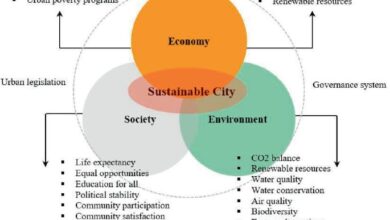
Green washing mitigation framework

Navigating the Greenwashing Minefield: A Comprehensive Guide to Mitigating Risk
In today’s rapidly evolving landscape, where sustainability claims proliferate, the specter of greenwashing looms large. This isn’t just a minor ethical lapse; greenwashing actively undermines public trust, distorts crucial market signals, and critically, delays the urgent environmental and social progress our planet desperately needs. As the scrutiny on corporate sustainability intensifies, the ability to discern genuine, credible action from misleading narratives becomes paramount for all stakeholders.
Unpacking the Typologies of Greenwashing: More Than Just Misleading Claims
This framework offers a vital lens to understand the multifaceted nature of greenwashing, outlining key typologies that extend beyond simple false advertising. Each represents a distinct strategy organizations may employ to obscure their true material impacts or mislead through selective disclosure:
- Greenlighting: Highlighting a small, often insignificant, positive environmental action while downplaying or ignoring much larger, negative environmental impacts elsewhere in the business.
- Greenhushing: Intentionally underreporting or remaining silent about legitimate sustainability efforts to avoid scrutiny, perceived competitive disadvantages, or regulatory burdens. While seemingly cautious, this deprives the market of valuable information.
- Greenshifting: Blaming consumers or external factors for environmental problems, diverting responsibility from the company’s own practices (e.g., “it’s your fault for not recycling,” rather than “we produce too much unrecyclable plastic”).
The fundamental risk of greenwashing often emerges when an organization’s communications outpace its actual environmental performance or when there’s a severe lack of methodological transparency in its reporting. This dangerous disconnect between perception and reality can lead to severe reputational damage, significant legal repercussions, and substantial financial exposure.
Ten Pillars for Reducing Greenwashing Risk: Building Credibility from the Ground Up
To effectively combat greenwashing and build genuine credibility, this framework proposes ten robust practices designed to embed integrity into sustainability claims:
- Measurable Targets: Setting specific, quantifiable, achievable, relevant, and time-bound (SMART) targets for environmental and social improvements.
- Third-Party Validation: Seeking independent verification or certification of sustainability claims and performance by reputable external bodies.
- Adherence to International Frameworks: Aligning reporting and practices with globally recognized standards like the Global Reporting Initiative (GRI), Sustainability Accounting Standards Board (SASB), or Task Force on Climate-related Financial Disclosures (TCFD).
- Transparent Disclosure of Trade-offs: Openly acknowledging challenges, limitations, and any inherent trade-offs in sustainability initiatives.
- Full Lifecycle Assessment: Considering the environmental impact across the entire lifecycle of products and services, not just isolated aspects.
- Employee Training & Engagement: Ensuring that internal teams are educated and aligned with sustainability goals to prevent unintentional miscommunication.
- Stakeholder Engagement: Actively involving and listening to diverse stakeholders, including NGOs, local communities, and experts.
- Internal Controls & Governance: Establishing robust internal systems and governance structures to ensure accuracy and consistency in sustainability data and reporting.
- Grievance Mechanisms: Providing clear channels for stakeholders to raise concerns or report potential greenwashing.
- Consistent Application of Certifications/Labels: Ensuring that any eco-labels or certifications are genuinely earned, consistently applied, and based on rigorous standards.
These mechanisms are crucial for ensuring that sustainability claims are deeply grounded in verifiable performance, not merely crafted perceptions.
Eight Domains for Assessing Greenwashing Exposure: A Diagnostic Toolkit
To empower investors, stakeholders, and regulators to conduct more robust assessments, the framework identifies eight critical domains for evaluating an organization’s exposure to greenwashing risks. Each domain offers a specific lens through which to scrutinize the alignment between ambition and actual execution:
- Strategic Integration: Is sustainability genuinely integrated into core business strategy, or is it an add-on?
- Goal Architecture: Are targets comprehensive, science-based, and linked to material impacts?
- Narrative Integrity: Is the external communication consistent, balanced, and free from exaggeration?
- Data & Metrics Quality: Is the underlying data reliable, auditable, and comprehensive?
- Accountability Mechanisms: Are there clear responsibilities and consequences for sustainability performance?
- Supply Chain Transparency: Is the organization addressing sustainability impacts across its entire value chain?
- Innovation & Investment: Is there demonstrable investment in sustainable technologies and practices?
- Stakeholder Engagement & Grievance: Are external voices genuinely heard and mechanisms for feedback robust?
For instance, assessing whether sustainability targets are directly tied to operational performance, whether certifications are consistently and legitimately applied across relevant products/services, and whether robust internal controls and effective grievance mechanisms are in place, significantly strengthens the overall credibility of any Environmental, Social, and Governance (ESG) initiative.
This structured approach provides a crucial technical basis to evaluate sustainability disclosures and performance that transcends superficial commitments. As societal and regulatory expectations continue to escalate, coherence between an organization’s governance, its public reporting, and its concrete actions is no longer just desirable; it is absolutely essential for building credibility and driving long-term value creation.
source: