Heat, humidity and hard choices, lessons from belém’s climate risk analysis
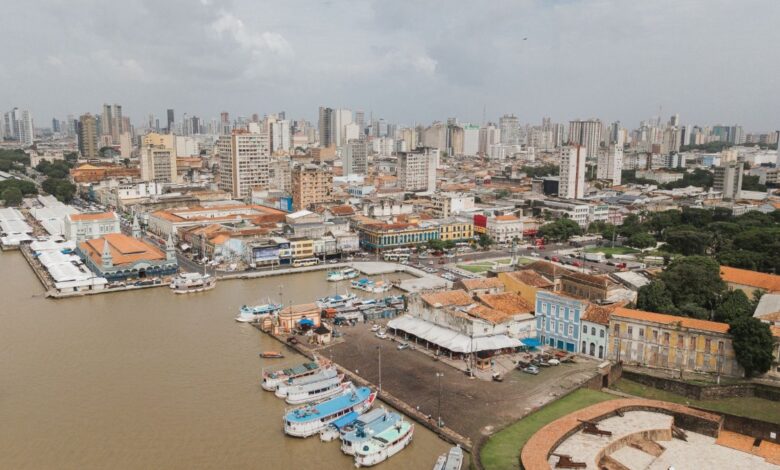
June 2nd marks Heat Action Day, a critical global checkpoint dedicated to mobilizing cities against the planet’s deadliest climate hazard. As local and regional governments scramble to adapt, the Brazilian city of Belém perched directly on the edge of the Amazon rainforest serves as a powerful case study for a harsh modern reality: proximity to nature no longer guarantees protection from extreme heat.
Here is a strategic breakdown of Belém’s climate risk architecture, the high-stakes trade-offs it faces, and how urban centers are leveraging data to drive climate diplomacy.
1. The Paradox of the Jungle: Belém’s Hidden Heat Crisis
To the outside observer, Belém appears insulated by the world’s largest tropical rainforest. However, a groundbreaking Climate Risk and Vulnerability Analysis (CRVA) developed by ICLEI South America has pulled back the curtain on a severe urban microclimate crisis.
The city faces a punishing combination of factors that compound vulnerability:
- The Humidity Trap: Relative humidity in Belém rarely drops below 84%. High humidity cripples the human body’s primary cooling mechanism—sweat evaporation—turning high temperatures from an discomfort into a lethal health risk.
- The Urban Heat Island (UHI) Effect: In dense, informal neighborhoods, lush canopy gives way to concrete, extensive asphalt, and tin roofs. These materials trap solar radiation throughout the day and radiate it back into the community at night.
- Interconnected Hazards: The CRVA revealed that Belém’s top three risks extreme heat, flash flooding, and coastal erosion are mechanically linked. The same impermeable asphalt that drives up localized temperatures prevents rainwater infiltration, overwhelming urban drainage systems during sudden downpours.
2. From Evidence to Impact: The Path Forward
Armed with the CRVA data, Belém is moving beyond temporary crisis management toward systemic, nature-based restructuring.
[CRVA Raw Data] ──► [Targeted Nature-Based Solutions] ──► [Master Plan Integration] ──► [International Climate Finance]
- Targeting Vulnerable Communities: Rather than deploying blanket city-wide policies, Belém is using spatial data to funnel resources directly into the lowest-income, lowest-canopy neighborhoods where heat stress intersects with socio-economic vulnerability.
- Nature-Based Solutions (NbS): The city is advancing urban re-greening strategies, pocket forests, and bioswales. These green infrastructures are specifically engineered to provide immediate shade and localized cooling while simultaneously absorbing stormwater runoff to mitigate the city’s severe flood risks.
- Rewriting the Master Plan: The analytical foundation of the CRVA is actively being codified into the revision of Belém’s municipal Master Plan, ensuring that climate resilience dictates the rules of all future commercial and residential zoning.
3. Scaling up: The Local-to-Global Advocacy Pipeline
Belém’s journey highlights a broader global shift: cities are no longer just victims of climate change; they are the testing grounds for policy.
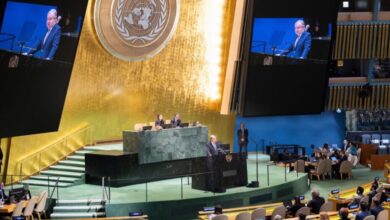
With the Bonn Climate Talks (SB64) convening next week in Germany, the insights gained from frontline cities like Belém are moving directly into mid-year UN climate negotiations. Local governments are pushing for a Seat at the Table to ensure national targets align with municipal realities.
“Cities are uniquely positioned to turn evidence into real, localized impact. Global climate pacts are written by nations, but they are ultimately won or lost on the streets of our cities.”
Diana Ürge-Vorsatz, Vice Chair of the IPCC & Chair of ICLEI’s Urban Research and Innovation Portfolio
Comparative Blueprint: Translating Urban Risk into Policy
| The Diagnostic (CRVA Findings) | The Localized Action (Belém’s Strategy) | The Global Target (Bonn / SB64 Advocacy) |
| 84%+ Humidity amplifies heat stress in informal settlements. | Deploying Cool Refuges and air-conditioned civic centers. | Securing direct loss and damage funding for urban health infrastructure. |
| Impermeable surfaces drive both UHIs and flash floods. | Implementing porous de-paving and urban micro-forests. | Standardizing Nature-Based Solutions (NbS) in national adaptation goals. |
| Lack of upfront municipal capital for massive overhauls. | Embedding climate metrics directly into the city’s Master Plan. | Demanding direct access to international climate finance for local councils. |
source:
https://mailchi.mp/iclei.org/inews-2-june-heat-action-day?e=8ccdcf7510