How might a ‘super el niño’ affect food, forests and water?
The Mechanics of a “Super El Niño”
The El Niño-Southern Oscillation (ENSO) is a naturally occurring climate pattern that emerges every two to seven years, altering global atmospheric circulation. However, current meteorological forecasts indicate a high probability of a “Super El Niño.”
A Super El Niño is scientifically defined by sea surface temperatures in the equatorial Pacific rising more than 2°C (3.6°F) above the historical average.
Unlike standard ENSO events, a Super El Niño significantly distorts atmospheric conditions, accelerating extreme weather anomalies globally. In 2026, this climate shock does not occur in a vacuum; its impacts are compounded by two critical baseline factors:
- A Warmer Baseline: The last 11 years have been the warmest on record, meaning the climate shock is layered over already depleted soil moisture and elevated global temperatures.
- Geopolitical Strain: Global supply chains are severely vulnerable due to the ongoing U.S.-Iran conflict, which has caused structural shortages and price spikes in fuel and agricultural fertilizer.
1. Hydrological Impact: Global Water Disruption
Shifting atmospheric waves during a Super El Niño divide the globe into zones of severe precipitation deficits and intense rainfall surpluses.
                  ┌──────────────────────────────┐
                  │   SUPER EL NIÑO HYDROLOGY    │
                  └──────────────┬───────────────┘
                                 │
         ┌───────────────────────┴───────────────────────┐
         ▼                                               ▼
┌────────────────────────────────┐              ┌────────────────────────────────┐
│      PRECIPITATION DEFICIT     │              │     PRECIPITATION SURPLUS      │
│  (Risk: Drought & Res. Depletion)│            │  (Risk: Flash Floods & Erosion)│
└──────────────┬─────────────────┘              └──────────────┬─────────────────┘
               │                                               │
               ├─► Caribbean & Central America                 ├─► Southern United States
               ├─► Northern Brazil                             ├─► Peru & Ecuador
               ├─► Central & Northern India                    ├─► Eastern Africa
               ├─► Central & Southern Africa                   └─► Parts of Middle East & Central Asia
               └─► Indonesia, Philippines, Australia
The Paradox of Intense Rainfall
Increased precipitation does not automatically equate to secure water storage. Recent climate research published in Nature demonstrates that when rain falls in highly concentrated, intense bursts:
- Water pools rapidly on the surface rather than infiltrating the ground.
- Runoff and evaporation rates accelerate before moisture can replenish groundwater tables or deep soil layers.
- Existing infrastructure can become overwhelmed, transforming a potential water asset into a destructive flood event.
Mitigation Strategies
To buffer these shocks, institutional frameworks deploy anticipatory actions prior to full meteorological onset:
- Infrastructure: Rehabilitating irrigation channels and reinforcing physical flood barriers.
- Economic Buffers: Distributing unconditional cash transfers to vulnerable communities to facilitate early evacuation from high-risk flood zones.
- Agricultural Adaptation: Pre-distributing short-cycle and drought-resilient seed varieties to optimize remaining soil moisture.
2. Agricultural Disruption & Food Security
The primary risk of El Niño is the geographic shifting of food production vulnerabilities. Rainfed, low-income, and import-dependent regions face acute food insecurity when local crop calendars align with peak climate anomalies.
Compounding Factors: Climate + Geopolitics
| Variable | Mechanism of Impact on Food Systems |
| Atmospheric Thirst | Elevated baseline temperatures increase the vapor pressure deficit, pulling moisture rapidly out of crops and soils, inducing plant wilting even during minor rainfall deficits. |
| Fertilizer Disruptions | Due to the U.S.-Iran war, nitrogen-based fertilizers are scarce and expensive. Farmers are forced to reduce application rates, lowering crop yields for subsequent harvests. |
| Fuel Supply Shocks | High fuel costs disrupt the entire agricultural value chain: from operating heavy farm machinery to running cold-storage refrigeration and transporting food to deficit markets. |
The Long-Tail Effect: The agricultural fallout of a Super El Niño persists long after ocean temperatures cool. Accumulating farm debt, the slaughter of livestock due to pasture stress, and depleted household savings structurally suppress farming capacity into the next planting season.
3. Forestry: The Wildfire Feedback Loop
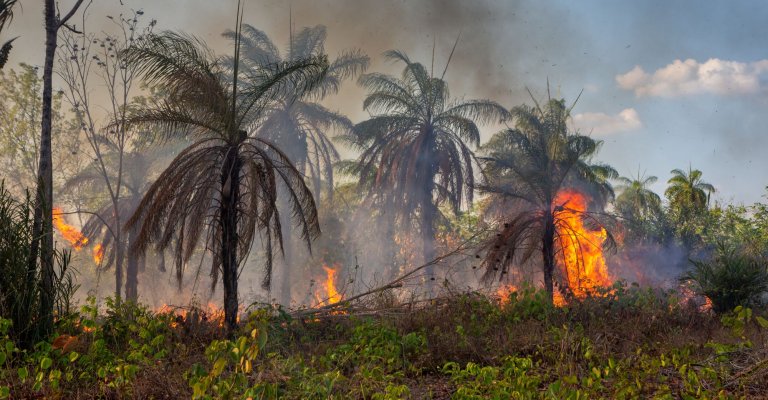
Human-caused climate change remains the primary driver of global forest fires. A Super El Niño acts as a force multiplier, lowering fuel ignition thresholds and accelerating fire propagation.
┌────────────────────────────────────────────────────────┐
│               THE WILDFIRE FEEDBACK LOOP               │
└───────────────────────────┬────────────────────────────┘
                            │
                            ▼
             Super El Niño Alters Rainfall
                            │
                            ▼
          Forest Microclimates Dry Out Rapidly
                            │
                            ▼
         Ignition Threshold Drops / Fires Spread
                            │
                            ▼
       Massive Carbon Stocks Released into Atmosphere
                            │
                            ▲
                            └─ Global Warming Accelerates
Case Study: The Amazonian Macro-Trend
The most predictable forestry impact occurs in South America, where El Niño suppresses wet-season rainfall, leaving the subsequent dry season dangerously arid. Hylean ecosystems like the Amazon are evolutionarily unadapted to fire.
Data from WRI’s Global Forest Watch highlights the severity of strong ENSO events on Brazilian forests:
- Historical Baseline: Average annual forest loss from fire (2001–2025).
- 2015-2016 & 2023-2024 Events: Record-breaking dry seasons pushed fire-driven forest loss to over 2.3 million hectares per event in Brazil a surge of more than 400% above the historical average.
- Secondary Impacts: Beyond immediate combustion, prolonged drought stress leaves standing canopies highly vulnerable to fatal pathogen infestations and insect outbreaks.
4. Strategic Framework for Food System Resilience
To mitigate the combined threats of geopolitical conflicts and severe climate anomalies, WRI experts outline a dual-track approach focused on systemic structural changes.
Immediate International Relief
- Global Aid Cooperation: Enhancing multilateral food corridors to route emergency supply reserves rapidly to regional hotspots facing crop failures.
- Input Stabilization: Creating strategic global reserves for fuel and fertilizer to insulate smallholder farmers from war-induced market volatility.
Long-Term Structural Reforms
                           ┌─────────────────────────────┐
                           │   SYSTEMIC FOOD REFORMS     │
                           └──────────────┬──────────────┘
                                          │
         ┌────────────────────────────────┴────────────────────────────────┐
         ▼                                                                 ▼
┌─────────────────────────────────┐                               ┌─────────────────────────────────┐
│     PRODUCTION & LAND USE       │                               │       CONSUMPTION SHIFTS        │
└──────────────┬──────────────────┘                               └──────────────┬──────────────────┘
               │                                                                 │
               ├─► Halt agricultural deforestion                                 ├─► Minimize global food waste
               ├─► Lower direct farming GHG emissions                            ├─► Reduce resource-heavy beef intake
               └─► Divert grain/soy away from biofuels                           └─► Transition to plant-centered diets
- Reallocating Cropland: Phasing out policy mandates that divert prime agricultural land, water, and fertilizer away from human food systems toward bioenergy production (such as corn for ethanol and soybeans for biodiesel).
- Decarbonizing Supply Chains: Concurrently reducing agricultural greenhouse gas emissions while scaling up global caloric output to meet growing population demands.
source:
https://www.linkedin.com/pulse/how-might-super-el-ni%25C3%25B1o-affect-food-forests-f35se/