In Germany, returning glass bottles gets you cashback
The “Pfand” Phenomenon: How Germany Turned Trash into a National Currency
In Germany, an empty bottle isn’t litter it’s a micro-investment. Through a sophisticated deposit-refund system known as Pfand, Germany has achieved one of the highest recycling rates in the world, proving that when you give waste a clear price tag, the public becomes the primary guardian of the environment.
How the System Works: The “Reverse Vending” Experience
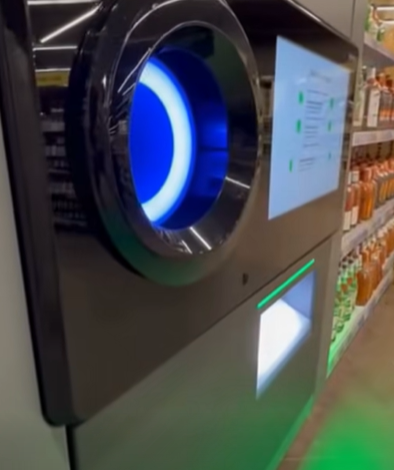
The magic happens at the Leergutautomat (Reverse Vending Machine), found in almost every supermarket like Aldi, Lidl, or REWE.
- The Deposit: When you buy a drink, you pay a small surcharge (the Pfand) on top of the retail price.
- The Return: You feed the empty bottle into a machine that scans the barcode or the weight/shape.
- The Reward: The machine prints a voucher. You can use this “receipt” to get a discount on your groceries or exchange it for cold hard cash at the register.
Decoding the Labels: Not All Bottles are Equal
Understanding the Pfand system requires knowing the difference between the two main categories of containers:
| Feature | Mehrwegpfand (Reusable) | Einwegpfand (Single-Use) |
| Material | Heavy glass or thick plastic (PET). | Thin plastic or aluminum cans. |
| Value | Typically €0.08 to €0.15. | Standardized at €0.25. |
| Process | Washed and refilled (up to 50 times). | Crushed and recycled into new material. |
| Logo | Often has a “Blue Angel” or “Refillable” sign. | Features the “DPG” logo (a bottle and a can with an arrow). |
The Social Impact: “Pfand gehört daneben”
The system has created a unique social etiquette. In many German cities, you will see bottles neatly placed beside public trash cans rather than inside them. This is part of the “Pfand gehört daneben” (Deposits belong next to it) movement.
By leaving the bottle outside the bin, citizens allow “bottle collectors” (often the homeless or elderly on low pensions) to collect the deposit without having to dig through dirty trash. It turns a waste management policy into a subtle form of social support.
The Results by the Numbers
- 65%+: Germany’s overall recycling rate, among the highest globally.
- 98%: The return rate for single-use plastic bottles.
- Circularity: The system ensures a steady stream of high-quality raw materials for manufacturers, drastically reducing the need for virgin plastic production.
The German Pfand system succeeds because it makes the “right choice” the “easy choice.” It removes the friction from recycling by integrating it into the weekly grocery routine and provides an immediate, tangible reward.