
Most agricultural waste gets burned in open piles
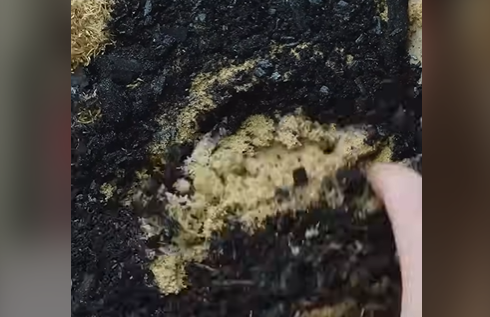
Most agricultural waste gets burned in open piles — releasing carbon and wasting energy that could power communities.
Pyrolysis offers a better path. When biomass is heated in a low-oxygen environment instead of burned, it produces three things: biochar (a carbon-rich soil amendment), bio-oil, and syngas — a renewable fuel that can generate heat and electricity.
That’s why biochar is a key part of United Nations Sustainable Development Goal 7: Affordable and Clean Energy. It turns a waste stream into a decentralized, renewable energy source — while locking carbon out of the atmosphere for centuries.
This is the latest video in our SDG series from the International Biochar Initiative (IBI), unpacking how biochar production connects to the UN’s global goals. Follow along for more.


