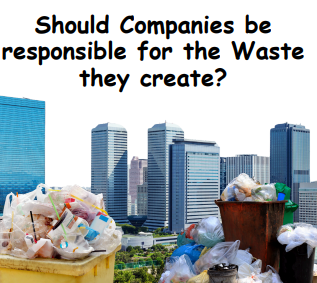
Should companies beresponsible for the waste they create?
Waste pollution is not just a growing crisis it’s an urgent call to action for all industries, especially businesses, to take responsibility for the environmental impact of their operations. But can businesses be more than just contributors to this problem? Can they become part of the solution? The answer lies in understanding the concept of Extended Producer Responsibility (EPR) and its transformative potential for both business and the planet.
Understanding the Waste Crisis: It’s Bigger Than We Think
The scale of global waste pollution is staggering. From overflowing landfills to the devastating impacts of plastic in our oceans, it’s clear that our current approach to waste management isn’t working. Every year, millions of tons of waste are dumped into landfills, with most of it being single-use packaging, electronics, and other products created by businesses. The environmental toll is high polluting ecosystems, harming wildlife, and contributing to climate change. But this isn’t just a problem for governments to tackle it’s a problem for the businesses that create this waste in the first place.
What is Extended Producer Responsibility (EPR)?
EPR is a concept that shifts the burden of waste management from taxpayers to producers. It’s an approach where companies are held accountable for the entire lifecycle of their products especially when it comes to disposal. EPR laws require businesses to either take responsibility for collecting and recycling the waste their products generate or fund recycling programs that address the disposal of their products once they reach the end of their useful life.
Instead of simply discarding products and packaging after they’ve been used, EPR encourages companies to design products with the end of life in mind. This could mean using recyclable materials, reducing packaging, or creating take-back programs that ensure their products are disposed of sustainably.
EPR as a Catalyst for Sustainability
EPR isn’t just about managing waste; it’s about changing the entire product lifecycle. By holding companies accountable for the waste they generate, EPR can lead to more sustainable design, reduce landfill waste, and increase recycling rates. This shift can drive innovation, leading to the creation of more environmentally friendly products that have minimal environmental impact.
Global EPR Policies: Leading by Example
Countries around the world are already taking steps to implement EPR policies, and the results speak for themselves. The European Union, for example, has led the charge with its Packaging and Packaging Waste Directive, which obliges businesses to reduce packaging waste and encourages recycling. In Japan, EPR has been integrated into their waste management strategy for electronics, where manufacturers are required to recycle old devices and recover valuable materials. These policies not only promote sustainability but also set a precedent for other nations to follow.
Why Businesses Should Embrace EPR
The benefits of EPR extend far beyond environmental impact. For companies, embracing these practices can result in significant cost savings, especially as waste management becomes more expensive and resource scarcity becomes a reality. By shifting towards circular economy models, businesses can reduce material costs by reusing and recycling their products. Furthermore, companies that prioritize sustainability and take proactive steps to reduce waste often see improved brand reputation, attracting environmentally conscious consumers and investors.
But the true opportunity lies in the future. As environmental regulations tighten globally, early adoption of EPR principles could give businesses a competitive edge. Rather than waiting for legislation to mandate change, businesses that embrace EPR now can not only avoid penalties but also lead the way toward a more sustainable, profitable future.
A Call for Accountability
So, should companies be legally required to manage the waste they create? Absolutely. With waste pollution at crisis levels, businesses must stop being passive players in this issue. It’s time for corporations to take responsibility for the environmental impact of their products, and EPR is a proven framework for making that happen. It’s not just about complying with laws it’s about creating a sustainable future for all.
source: