
Sustainability infographic
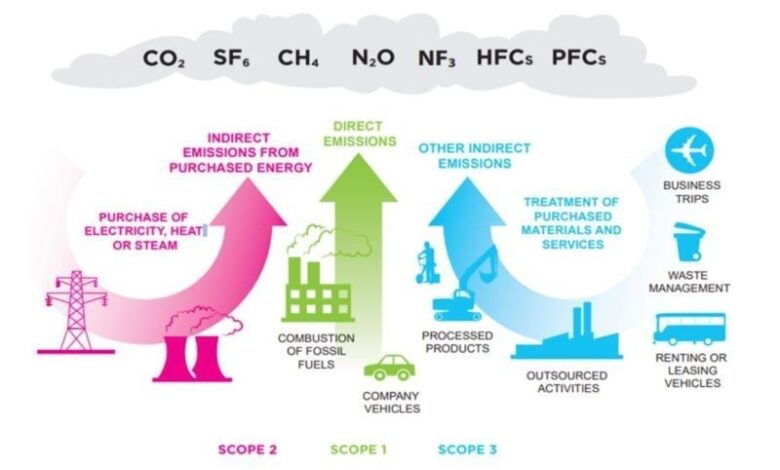
The Footprint: Understanding Our Impact on the Planet
The term “footprint” has become a powerful shorthand for understanding the impact our actions, our organizations, and even our nations have on the environment, society, or economy. It’s a simple, yet profound, way to visualize the mark we leave behind. Far from being just jargon, these “footprints” are crucial metrics in the global effort to build a more sustainable future.
Let’s break down some of the most common types of footprints you’ll encounter:
1. Carbon Footprint: Measuring Our Climate Contribution
Perhaps the most recognized, your carbon footprint represents the total amount of greenhouse gases (GHGs), primarily carbon dioxide (CO2), that are directly or indirectly emitted as a result of human activities. Every time you drive a car, take a flight, power your home with electricity generated from fossil fuels, or even purchase a product, you’re contributing to your carbon footprint.
It’s essentially a quantitative measure of how much your actions contribute to climate change. Understanding this footprint is the first step toward reducing it and mitigating your impact on global warming.
2. Ecological Footprint: Our Demand on Earth’s Resources
The ecological footprint offers a broader perspective. It quantifies how much of the Earth’s natural resources and services a person, organization, or country consumes compared to what the planet’s ecosystems can regenerate in a given year.
This goes beyond just emissions, factoring in diverse elements like:
- Land use: How much productive land is required to grow food, provide timber, or build infrastructure.
- Water use: The freshwater consumed for drinking, agriculture, and industrial processes.
- Waste production: The capacity needed to absorb the waste we generate.
If our ecological footprint exceeds Earth’s biocapacity, it means we are consuming resources faster than the planet can replenish them, essentially “borrowing” from future generations.
3. Water Footprint: Tracing Our Liquid Consumption
The water footprint specifically focuses on our most vital resource: water. It measures the total volume of freshwater used, both directly and indirectly, by an individual, a community, or a business to produce goods and services.
This includes:
- Direct water use: The water you use for drinking, bathing, or watering your garden.
- Indirect water use: The “virtual water” embedded in the products we consume for instance, the thousands of liters of water needed to grow cotton for a single T-shirt, or to produce a kilogram of beef.
Understanding our water footprint highlights hidden dependencies on this finite resource and points to areas where efficiency and conservation can make a significant difference.
Why Footprints Matter in Business and Beyond
In the business world, these various footprints have become indispensable tools for assessing sustainability and environmental responsibility. Companies are increasingly scrutinizing their carbon, ecological, and water footprints to:
- Identify inefficiencies: Pinpoint areas where resource consumption can be reduced.
- Mitigate risks: Anticipate and address environmental liabilities, from regulatory changes to resource scarcity.
- Enhance reputation: Demonstrate commitment to sustainability to investors, consumers, and employees.
- Drive innovation: Develop more eco-friendly products, services, and operational processes.
Ultimately, reducing these footprints is a shared global objective, forming the bedrock of collective efforts to combat climate change, protect natural ecosystems, and promote overall environmental health for generations to come. By understanding our impact, we empower ourselves to make more conscious choices that foster a healthier planet.
source:


