
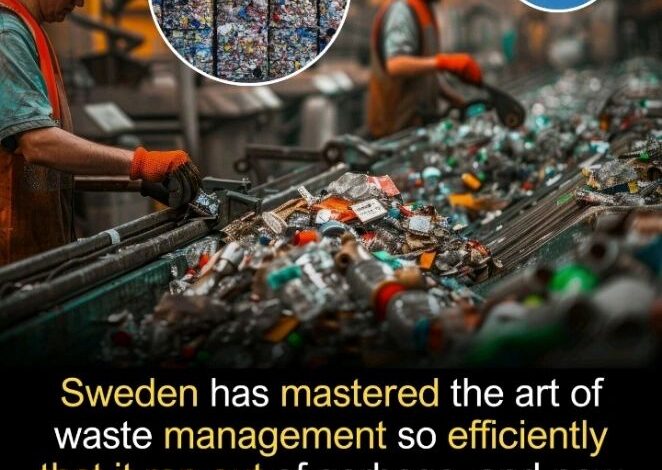
Sweden has mastered the art of waste management
Sweden’s Astonishing Achievement: A World Without Waste
Sweden has authored an extraordinary success story in waste management, painting a vivid picture of what a truly circular economy can achieve. Their remarkable efficiency has led to an almost unbelievable milestone: they’ve literally run out of garbage. To keep their advanced recycling and waste to energy plants operating at full capacity, Sweden now, astonishingly, imports waste from other nations. This isn’t just about managing trash; it’s about transforming it into a valuable resource.
The Pillars of Swedish Success
How did Sweden achieve this environmental marvel? Several key factors underpin their pioneering model:
- Cutting-Edge Recycling Infrastructure: At the heart of Sweden’s triumph lies a robust and sophisticated infrastructure. This isn’t just about bins; it’s a seamless system designed for efficient sorting, meticulous recycling, and powerful energy production from what others consider refuse.
- Revolutionary Waste-to-Energy Plants: Sweden’s commitment to sustainability is evident in its network of waste-to-energy plants. These facilities do more than just dispose of waste; they’re powerhouses that generate clean electricity and essential heat for homes, dramatically slashing reliance on fossil fuels and significantly curbing greenhouse gas emissions.
- Forward-Thinking Policies and Regulations: Behind the infrastructure are strong, progressive policies. Sweden’s regulations actively champion waste reduction, incentivize recycling, and enforce proper waste disposal, creating a national culture of responsibility.
Global Lessons from a Green Leader
Sweden’s journey offers invaluable blueprints for nations worldwide grappling with waste crises:
- Invest in Smart Infrastructure: Developing countries, in particular, can learn from Sweden’s foresight. Investing in modern recycling facilities isn’t an expense; it’s a crucial investment in effective waste management and a healthier future.
- Embrace Circular Economy Principles: This isn’t just about recycling bottles; it’s about redesigning entire systems. By adopting circular economy principles, countries can drastically reduce waste generation, foster robust recycling industries, and unlock entirely new economic opportunities.
- Craft Effective Waste Policies: Governments hold the power to shape behavior. Implementing clear, incentivizing policies that promote sustainable waste management practices like widespread recycling, composting initiatives, and aggressive waste reduction targets can drive profound change.
A Collective Call to Action
Sweden’s story isn’t just an anecdote; it’s an urgent call to action:
- Study and Adapt: Countries must actively study Sweden’s pioneering waste management model and discern how its core principles can be tailored and applied to their unique local contexts.
- Prioritize Beyond Landfills: Instead of resorting to the environmentally destructive practice of opening new landfills, nations should make a definitive pivot towards prioritizing comprehensive recycling programs and innovative waste to energy solutions.
- Champion a Circular Economy: By wholeheartedly embracing the principles of a circular economy, we can collectively move beyond the linear “take make dispose” model. This transformative shift promises to minimize waste, champion sustainability, and forge a cleaner, healthier, and more prosperous future for generations to come.
Let Sweden’s extraordinary waste management success inspire us all to collaborate and build a truly sustainable world. It’s not just possible; it’s being done.
source:


