The form of cities: political economy and urban design
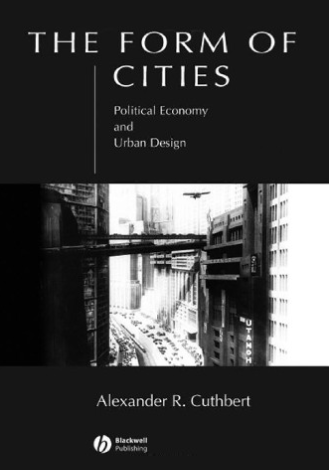
Urban design is not merely about bricks and mortar; it is a profound expression of the societal heartbeat a mirror reflecting who we are, where we have been, and who holds the reins of power. In The Form of Cities: Political Economy and Urban Design, Alexander Cuthbert challenges us to look beyond the aesthetic facade and delve into the tangled web of social, economic, and political forces that shape our urban environments. Through this lens, cities transform from static landscapes into dynamic narratives of human existence.
Cities as Living Stories
Cuthbert dismantles the notion of cities as mere backdrops to daily life. Instead, he presents them as vibrant storytellers, encoding the struggles, victories, and identities of those who inhabit them. Every street, monument, and public square carries the weight of history and the whispers of cultural memory. Urban design, in this sense, is not neutral; it is a language of power.
The Politics Behind the Pavement
Beneath the surface of urban aesthetics lies a battleground where political ideologies and economic agendas compete. From zoning laws to public transportation networks, the built environment is a canvas where power paints its vision of society. Cuthbert compels us to ask uncomfortable questions: Who benefits from this design? Who is left behind?
In a world where capital often dictates urban growth, the prioritization of profit over people perpetuates inequality. The rise of gated communities and exclusionary zoning highlights how urban form can segregate rather than unite. The challenge is to envision cities that are not just efficient but equitable.
The Pulse of the Public Realm
Public spaces are the heart of urban life, yet they are perpetually at risk. Cuthbert argues that urban design is inherently political because defining and defending public spaces requires negotiating collective meanings and ensuring inclusive access. The struggle over who gets to occupy and shape these spaces reflects broader societal power dynamics.
Reimagining Sustainability
Sustainability in urban design is not simply about green buildings or energy efficiency; it demands a radical rethink of development models. Cuthbert critiques capitalist frameworks that prioritize relentless growth at the expense of ecological balance. To create cities that endure, we must value long-term environmental stewardship over short-term profit.
Gendered Spaces and Inclusive Urbanism
Cities are not experienced equally. For too long, urban design has ignored gendered experiences, perpetuating patriarchal structures that marginalize women and other vulnerable groups. Cuthbert underscores the urgency of dismantling these spatial inequalities. Inclusive urbanism means reimagining cities where everyone feels safe, seen, and valued.
Beyond Beauty: Aesthetics with Purpose
Urban design has often been trapped in the pursuit of visual grandeur, but Cuthbert reminds us that aesthetics without social function is hollow. Beautiful cities must also be livable, with spaces that foster interaction, community, and collective well-being. The true art of urban design lies in balancing form with humanity.
Shaping Societies, Not Just Spaces
The profound insight from The Form of Cities is that urban design is never just about buildings or landscapes; it is about shaping society itself. Each decision made by urban planners, architects, and policymakers etches a lasting imprint on the social fabric. As stewards of our cities, we carry the responsibility of ensuring that these spaces reflect not just power but also justice, memory, and hope.
Cuthbert’s work is a call to action to see cities not as static entities but as evolving, living organisms where the essence of humanity is continually being built, contested, and reimagined. In designing cities, we are, in truth, designing our collective future.
source :