Thirsty concrete helps absorb water and prevent flooding
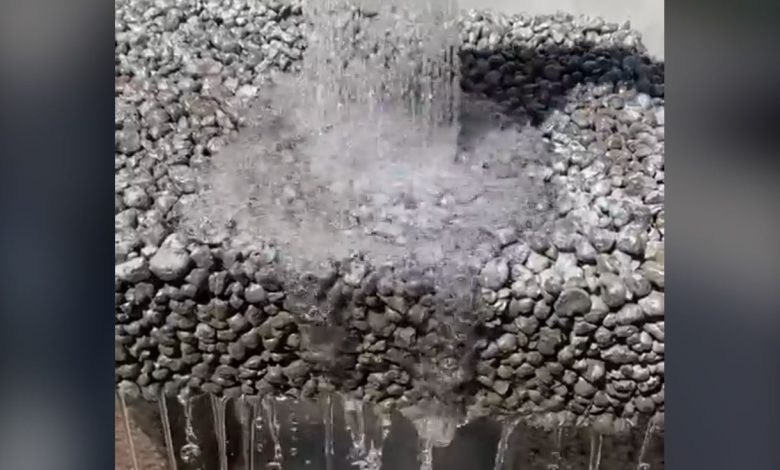
Permeable concrete, also known as pervious or porous concrete, is engineered to allow water to pass through its structure, facilitating ground infiltration. This design contrasts with traditional concrete, which is impervious and contributes to surface runoff. By enabling water to permeate, permeable concrete reduces runoff and promotes groundwater recharge, addressing urban flooding challenges.
The increasing frequency of extreme rainfall events, attributed to climate change, has heightened the risk of urban flooding. Conventional impervious surfaces exacerbate this issue by preventing water absorption, leading to rapid runoff and overburdened drainage systems. Implementing permeable concrete in urban infrastructure, such as sidewalks, parking lots, and low-traffic roads, can mitigate these effects by allowing water to infiltrate the ground, thereby reducing the volume and speed of runoff.
Beyond flood mitigation, permeable concrete offers additional environmental benefits. As water passes through its porous structure, pollutants are filtered out, enhancing water quality before it reaches natural waterways. This filtration process helps remove contaminants like oils, heavy metals, and sediments, contributing to healthier aquatic ecosystems.
While permeable concrete is not a standalone solution to the complex challenges posed by climate change, it serves as a valuable component of comprehensive urban water management strategies. By integrating permeable surfaces with traditional drainage systems, cities can enhance their resilience to flooding, improve water quality, and promote sustainable development practices.
Source: