
What is ESG investing?
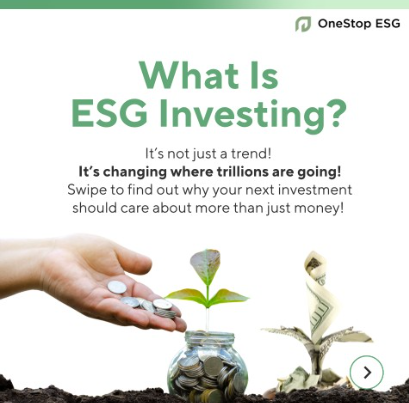
Unlocking Value: The Rise of ESG Investing and Why It’s More Than Just a Trend
Have you ever wondered what ESG investing truly is, or whether it’s actually a sound financial move? If so, you’re tapping into one of the most transformative shifts in global finance. Once a niche concept, ESG investing has rapidly moved into the mainstream, now influencing trillions of dollars in capital flows, fundamentally reshaping how investment portfolios are constructed, and redefining what it means to generate long-term value.
Whether you’re an individual investor shaping your personal future, a fund manager overseeing vast portfolios, or a corporate leader steering your organization, grasping the mechanics of ESG investing is crucial. In a world where climate risk, ethical governance, and social impact are becoming inextricably linked to financial performance, understanding ESG is key to staying ahead.
This article dives deep into what ESG investing genuinely entails, how it operates in practice, explores the compelling evidence of its competitive returns, and illuminates the vast benefits it offers to both investors and the broader global economy.
Demystifying ESG: Environmental, Social, and Governance Explained
At its core, ESG stands for Environmental, Social, and Governance. These three powerful pillars serve as a comprehensive framework for evaluating how responsibly a company operates, extending far beyond the traditional confines of financial statements.
Let’s break down each dimension:
- Environmental (E) Factors: These examine a company’s interaction with the natural world. This includes its efforts to reduce carbon emissions, optimize energy use, manage waste responsibly, minimize water impact, and protect biodiversity. Essentially, it’s about a company’s ecological footprint.
- Social (S) Factors: This pillar evaluates how a company manages its relationships with all stakeholders, including employees, suppliers, customers, and the communities in which it operates. Key issues here involve ensuring labor rights, promoting diversity and inclusion, investing in human capital development, and safeguarding data privacy. It’s about how a company treats people.
- Governance (G) Factors: Governance focuses on the internal mechanics of how a company is run. It assesses crucial elements like the structure and independence of its board, fairness in executive pay, commitment to transparency, protection of shareholder rights, and robust anti-corruption practices. It’s about leadership, oversight, and integrity.
When investors integrate ESG criteria into their decision-making, they’re not just looking at profits; they’re essentially seeking companies that are better managed, more resilient to future challenges, and more aligned with long-term global sustainability trends.
How ESG Investing Works: Diverse Approaches to Conscious Capital
ESG investing is the deliberate practice of incorporating environmental, social, and governance factors into the process of selecting where to allocate capital. This flexible approach can be applied across a wide spectrum of asset classes, from individual stocks and mutual funds to ETFs, private equity, and even fixed income portfolios.
There are several distinct, yet often complementary, ways ESG investing is put into practice:
- Negative Screening: This involves proactively avoiding companies or entire industries that fail to meet specific ESG standards. Common examples include divesting from fossil fuels, tobacco, weapons manufacturing, or companies with documented poor labor practices.
- Positive Screening: Conversely, this approach actively seeks out and invests in companies that demonstrate superior performance on key ESG metrics. This could mean targeting leaders in renewable energy, firms with exemplary gender diversity, or those boasting ethical supply chains.
- ESG Integration: This sophisticated method involves embedding comprehensive ESG risk and opportunity analysis directly into traditional financial models. The goal is to gain a deeper understanding of a company’s long-term sustainability and potential for outperformance.
- Thematic Investing: Here, capital is directed towards specific, overarching sustainability themes. Examples include investing in clean water technologies, climate tech innovators, companies driving the circular economy, or those focused on health equity.
- Impact Investing: This is arguably the most direct form of ESG investing, where capital is channeled into companies or projects specifically designed to generate measurable positive environmental or social outcomes, alongside a competitive financial return.
Effective ESG investing thrives when it combines rigorous data analysis with insights from third-party ESG ratings. Furthermore, many asset managers engage in ESG stewardship, actively using their shareholder voting rights or engaging in direct dialogue with company leadership to drive meaningful improvements.
Does ESG Deliver? The Compelling Case for Competitive Returns
This is undoubtedly one of the most crucial and frequently debated questions in finance. However, a growing body of research increasingly supports the assertion that ESG investing can indeed deliver competitive, and in many cases, superior returns over the long term.
Numerous reputable studies have consistently found that companies exhibiting high ESG ratings tend to:
- Demonstrate lower volatility and smaller drawdowns during periods of market turbulence.
- Attract more long-term capital, indicating greater investor confidence and stability.
- Successfully reduce reputational risk, protecting their brand and market value.
- Exhibit higher levels of innovation and boast better employee retention, fostering stronger internal capabilities.
- Maintain superior regulatory preparedness and cultivate enhanced stakeholder trust, leading to smoother operations.
A prime example is the COVID-19 crisis, during which many ESG funds noticeably outperformed their traditional counterparts. This served as a powerful testament to the idea that strong ESG factors often serve as critical indicators of a corporation’s overall resilience and adaptability in the face of unforeseen global challenges. Moreover, ESG funds continue to attract significant inflows, particularly from younger investors who are increasingly motivated to align their financial decisions with their personal values.
It’s vital to clarify: ESG investing is not about sacrificing returns for ethical considerations. Rather, it’s about shrewdly identifying companies that are poised to outperform precisely because they are more effectively managing future-facing risks and skillfully capitalizing on the vast opportunities arising from global sustainability transitions.
Beyond Profit: The Multifaceted Benefits of ESG Investing
Adopting ESG principles into your investment strategy brings a wealth of advantages that extend far beyond mere financial gains:
- Better Risk Management: Companies with strong ESG scores are inherently better positioned to anticipate and mitigate significant risks. This could include threats related to climate change, disruptions in global supply chains, potential labor disputes, or devastating data breaches. By proactively identifying and addressing these issues, ESG aligned firms can circumvent costly crises that could otherwise severely impact their share price and long term viability.
- Alignment with Global Megatrends: The most powerful global trends of our era from the imperative of decarbonization and the acceleration of digital transformation to the push for social equity and greater resource efficiency – are inherently ESG-related. Investing with these megatrends in mind strategically positions portfolios ahead of impending regulatory shifts, evolving consumer preferences, and the next wave of innovation cycles.
- Stronger Long-Term Returns: Companies recognized as ESG leaders often benefit from lower costs of capital, superior operational efficiency, and a strengthened brand reputation. These powerful drivers can collectively translate into more robust long-term financial performance, especially when viewed through the lens of compounding value over time.
- Values-Based Investing: For a growing number of investors, ESG is deeply personal. It’s about ensuring their financial decisions resonate with their personal or institutional values. Whether it’s consciously avoiding companies involved in deforestation or actively supporting firms championing gender equality, ESG investing provides a tangible way to generate returns while simultaneously fostering positive societal and environmental change.
- Access to New Markets: The rise of ESG investing is actively opening up entirely new asset classes and compelling investment opportunities. These include the burgeoning markets for green bonds, sustainability-linked loans, innovative climate tech startups, and a variety of transition finance products. As global regulations and incentives continue to evolve, ESG literate investors will be uniquely well-placed to capture emerging value in these dynamic new frontiers.
Getting Started: Your Path to ESG Investing
Embarking on your ESG investing journey depends on your individual goals, risk tolerance, and desired level of involvement. Here are some actionable steps to consider:
- Define Your Priorities: What matters most to you? Are you primarily driven by climate action, social justice, robust ethical governance, or a combination of all three?
- Choose Your Approach: Do you prefer to invest directly in individual ESG-rated companies, or would you find more comfort in diversified ESG-themed mutual funds and ETFs?
- Evaluate ESG Ratings: Leverage reputable tools and ratings from providers like MSCI, Sustainalytics, or Morningstar ESG ratings to compare the sustainability performance of companies or funds.
- Understand the Metrics: Look beyond simple marketing labels. Dive deeper to truly understand how ESG performance is measured and reported. Be vigilant against “greenwashing” by scrutinizing independent disclosures.
- Monitor Impact: ESG is a dynamic field. Regularly use reports and dashboards to monitor how your investments are performing financially and evolving in terms of their sustainability outcomes.
Many modern investment platforms now offer intuitive ESG filters and screening tools, designed to simplify this process for investors.
Why ESG Investing is Far More Than a Passing Trend
So, what is ESG investing truly about? It’s about building portfolios that are inherently more resilient, more responsible, and profoundly more relevant to the complex world we inhabit. It signifies a fundamental, irreversible shift in how capital is being deployed not merely to seek profit, but to actively shape progress.
As climate risks escalate, regulations tighten globally, and consumer and stakeholder demands evolve, ESG investing is rapidly cementing its position as an essential component of any long-term financial strategy. It offers a smarter, more sophisticated way to allocate resources, a more robust method to manage risk, and ultimately, a more conscious and impactful way to build wealth.
Whether your investment goals are focused on growth, generating positive impact, or securing a better future for generations to come, ESG investing offers a clear and credible path forward.
Ready to integrate ESG thinking into your investment strategy?
If you’re looking to understand the latest trends in sustainable finance, or explore real-world case studies, OneStop ESG is here to support your journey. Subscribe to our free newsletter for curated ESG insights, regulatory updates, and actionable strategies from the world’s most trusted sustainability voices. Because investing for the future means investing in the right values, today.
source:


