
Why Green and Healthy Transport Modes Deliver Vast Rewards for Cities
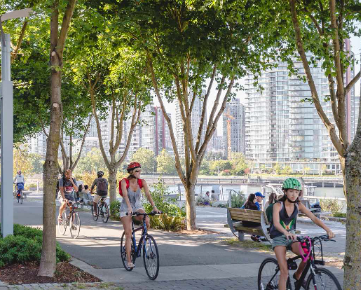
Prioritizing green and sustainable modes of transport over private cars offers immense benefits for cities—not just for the environment, but also for public health, economic prosperity, and the quality of life for citizens. By transforming how people move through cities, urban leaders can unlock significant improvements in air quality, reduce greenhouse gas emissions, and foster more vibrant, resilient communities. Here’s why cities must act now and how they can benefit from embracing sustainable transport solutions.
Transport Emissions: A Major Contributor to Urban Pollution and Climate Change
In most cities, transport—particularly road transport—accounts for a large share of both greenhouse gas emissions and air pollution. For example, transport contributes 28% of New York City’s emissions, 53% in Mexico City, and an average of 30% across C40 cities. Traffic is also a leading cause of urban air pollution, responsible for approximately a quarter of particulate matter that significantly impacts public health. The toxic air in cities drives up the risk of asthma, cancer, cardiovascular disease, and respiratory conditions, exacerbating the public health crisis.
By rethinking transport systems, cities can drastically reduce these emissions and improve air quality, creating healthier, more livable urban environments.
Economic, Health, and Community Benefits of Sustainable Transport
1. Higher-Density Development Outperforms Car-Centric Sprawl
Cities designed for walking, cycling, and public transport—rather than sprawling car-dependent infrastructure—are more financially sustainable. Low-density urban sprawl is costly, requiring extensive infrastructure and services that are not offset by tax revenues from these areas. Denser, mixed-use developments, on the other hand, bring in more revenue and are financially productive for cities. This makes cities with car-centric designs vulnerable to long-term financial instability, where poorer neighborhoods often subsidize wealthier, car-dependent ones.
By embracing sustainable urban planning, cities can increase financial solvency while fostering equity among different socioeconomic groups.
2. Reducing Congestion Boosts Productivity
Traffic congestion is a major drag on city economies. In London, for instance, traffic congestion cost the economy up to £4 million per week before the introduction of the Congestion Charge zone in 2002. In Lagos, traffic gridlock is estimated to cost businesses more than $9 billion annually. Reducing congestion not only boosts economic productivity but also saves valuable time for city residents, creating a more efficient and dynamic urban economy.
3. People-Friendly Streets Fuel Local Economies
Cities that prioritize walking and cycling tend to see clear economic benefits. Pedestrian and cyclist-friendly streets can boost local employment, increase footfall, and generate more revenue for local businesses. In Lancaster, California, for example, an $11.5 million investment to reduce vehicle space and enhance walkability sparked $130 million in private investment and generated $273 million in economic output over four years. Similarly, after London invested £80 million in active travel infrastructure, the city saw a £724 million economic benefit.
Cities that focus on active transportation and sustainable mobility create thriving local economies, proving that people-centered streets are better for businesses and communities.
4. Active Travel Improves Physical and Mental Health
Supporting people to walk, cycle, and use public transport significantly reduces the risk of physical and mental health problems, such as depression, anxiety, obesity, and chronic diseases. The health benefits of active travel are profound, with physical inactivity now killing more people than smoking. Encouraging people to shift from cars to active travel not only improves their health but also lowers healthcare costs, reduces absenteeism, and boosts productivity.
In New Zealand, a cost-benefit study found that investments in walking and cycling infrastructure yielded a 10-to-1 return, with health gains delivering the most significant economic benefits. Cities like Oklahoma City have demonstrated how people-centered streets can transform public health while driving economic growth.
5. Less Traffic Means Cleaner Air and Quieter Streets
Air pollution is a serious threat in over 90% of cities globally, and traffic is a major source of both air and noise pollution. Reducing the number of vehicles on the road improves air quality and significantly reduces noise, creating healthier and more peaceful urban environments. Noise pollution can lead to sleep disturbances, cognitive impairment in children, and cardiovascular diseases, making it a major public health concern.
By reducing traffic, cities can mitigate these harmful effects and create quieter, cleaner spaces for residents to thrive.
6. Reclaiming Car Parking for People
Private cars occupy valuable city space, sitting parked for over 95% of the time. In cities like New York, London, and Paris, between 15% and 30% of land is dedicated to parking. This inefficient use of space pushes buildings further apart, discouraging walking and cycling, and fueling more driving. Cities have the opportunity to reclaim these vast expanses of asphalt and turn them into productive uses—like housing, shops, public spaces, and cycling infrastructure. Reimagining parking lots can also reduce the urban heat island effect and mitigate flooding, creating more sustainable and vibrant urban spaces.
7. Safer Streets, Less Crime
Reducing traffic can make streets safer and lower crime rates. In Kansas City, crime dropped by 74% in a local park after a 2.6-mile byway was made car-free on weekends. Similarly, low-traffic neighborhoods in London’s Waltham Forest saw an 18% reduction in crime over three years, with violent and sexual offences seeing even larger decreases. Reducing traffic also decreases the number of road deaths—Oslo, for example, recorded zero pedestrian and cyclist fatalities in 2019 after implementing car-minimization measures.
Safer, car-free streets not only protect residents from traffic accidents but also foster stronger, more connected communities.
Actionable Steps for Cities to Take Today
The future of urban mobility lies in sustainable transport, and city leaders have the power to make that future a reality. Here are some priority actions cities can take:
- Implement Transit-Oriented Development (TOD): Encourage dense, mixed-use development around public transit stations to promote walking, cycling, and public transport.
- Invest in Infrastructure for Active Travel: Build and improve infrastructure for walking, cycling, and public transport to support sustainable, equitable mobility for all residents.
- Create Low- or Zero-Emission Zones: Target vehicle emissions by enacting zones that restrict or eliminate high-polluting vehicles.
- Expand Electric Vehicle Infrastructure: Build charging stations and incentivize the adoption of electric vehicles to transition remaining cars away from fossil fuels.
- Collaborate with Businesses for Zero-Emission Fleets: Work with local businesses and fleet operators to accelerate the shift to zero-emission vehicles and reduce vehicle miles.
Conclusion
Cities that prioritize green and healthy transport modes will unlock vast rewards—cleaner air, safer streets, healthier populations, and stronger local economies. By taking action now, cities can transform their transport systems, making them more sustainable, equitable, and resilient for the future. The shift towards sustainable mobility is within reach, and the benefits are too significant to ignore.
source :


