The assesment report on land degradation and restoration
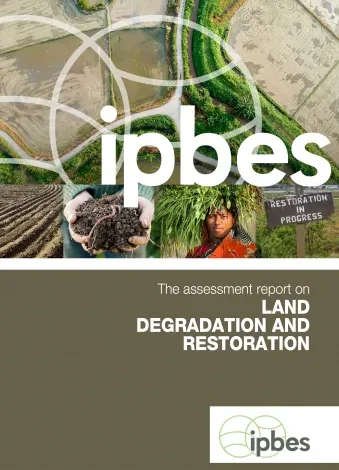
Land degradation is one of the most urgent environmental challenges of our time, impacting ecosystems, biodiversity, and the very fabric of human well-being. From barren landscapes to dwindling biodiversity, the scars of degraded land are visible across the globe. But alongside this challenge lies an opportunity restoration. The IPBES Assessment Report on Land Degradation and Restoration serves as a critical resource for shaping the policies and actions needed to heal our planet’s degraded lands.
The Importance of the Assessment
The report offers a comprehensive examination of the global status and trends of land degradation, cutting across regions and land cover types. It delves deeply into the effects of degradation on biodiversity, ecosystem services, and the well-being of human communities that depend on them. Importantly, it also explores the extent and potential of ecosystem restoration efforts, providing actionable insights for decision-makers and stakeholders worldwide.
At its heart, the Assessment seeks to answer two key questions:
- How can we halt the tide of land degradation?
- What practical steps can we take to restore degraded ecosystems for the benefit of nature and humanity?
A Journey of Global Collaboration
The story of this landmark report began in January 2015, during the third session of the IPBES Plenary (IPBES 3). Recognizing the gravity of the land degradation crisis, the Plenary approved the launch of the Land Degradation and Restoration Assessment, agreeing on its scope and objectives.
Three years later, in March 2018, the culmination of this immense global effort was unveiled in Medellin, Colombia, at IPBES 6. There, the Summary for Policymakers (SPM) was approved, and the comprehensive chapters of the Assessment were accepted. This milestone was made possible by the dedication of hundreds of experts—scientists, researchers, and policymakers whose collective knowledge and passion fueled the creation of this transformative document.
What the Report Offers
The IPBES Assessment Report on Land Degradation and Restoration is a powerful tool for change. It is composed of:
- A Summary for Policymakers (SPM): A concise and accessible guide that distills the key findings and actionable recommendations for policymakers.
- Eight in-depth chapters: These chapters explore the complexities of land degradation and restoration, offering regional insights, case studies, and evidence-based solutions.
Together, these components form a knowledge base designed to inform and inspire effective policies that tackle land degradation, combat desertification, and promote the restoration of degraded landscapes.
The Ripple Effects of Degradation
The Assessment underscores the profound consequences of land degradation:
- Biodiversity loss: Degraded land fragments ecosystems, driving species toward extinction.
- Decline in ecosystem services: Vital services like water filtration, soil fertility, and carbon sequestration are disrupted.
- Impact on human well-being: Land degradation exacerbates poverty, food insecurity, and forced migration, particularly in vulnerable communities.
But the report also highlights a critical message: restoration is not just possible it is essential. Restoring degraded lands has the potential to:
- Reverse biodiversity loss and revitalize ecosystems.
- Enhance climate resilience by storing carbon and reducing vulnerability to extreme weather.
- Improve livelihoods, food security, and social stability, particularly in marginalized regions.
A Path Forward
As the global community confronts the twin crises of climate change and biodiversity loss, the IPBES Assessment offers a roadmap for transformative action. It calls for:
- Policy integration: Embedding land restoration into national development plans, climate strategies, and biodiversity frameworks.
- Investing in restoration: Mobilizing resources to scale up restoration efforts, particularly in degraded hotspots.
- Community engagement: Empowering local communities, whose traditional knowledge and stewardship are invaluable for sustainable restoration.
- Global cooperation: Recognizing that land degradation knows no borders and requires a united international response.
Acknowledging the Contributors
Behind the success of the Assessment lies the hard work of countless experts and contributors. IPBES extends its heartfelt gratitude to these individuals for their dedication and expertise, which have brought clarity and urgency to the global conversation on land degradation and restoration.
A Vision for the Future
The IPBES Assessment Report on Land Degradation and Restoration is more than just a document it is a beacon of hope. It reminds us that while the challenges are immense, the solutions are within reach. By restoring degraded lands, we can rebuild ecosystems, secure livelihoods, and leave a healthier, more resilient planet for future generations.
Now is the time to act. Let this report serve as a rallying cry for governments, organizations, and individuals around the world to come together and restore the life-giving landscapes that sustain us all.
source :