GGGI and Bappenas to mobilize investments for Indonesia’s sustainable plastic management
Indonesia’s battle against plastic pollution has taken a significant step forward with the launch of a new collaboration between the Global Green Growth Institute (GGGI) and the Ministry of National Development Planning (Bappenas) on February 27, 2025. This initiative comes at a critical time, as plastic waste continues to pose a major environmental challenge for the archipelagic nation.
The Plastic Problem in Indonesia
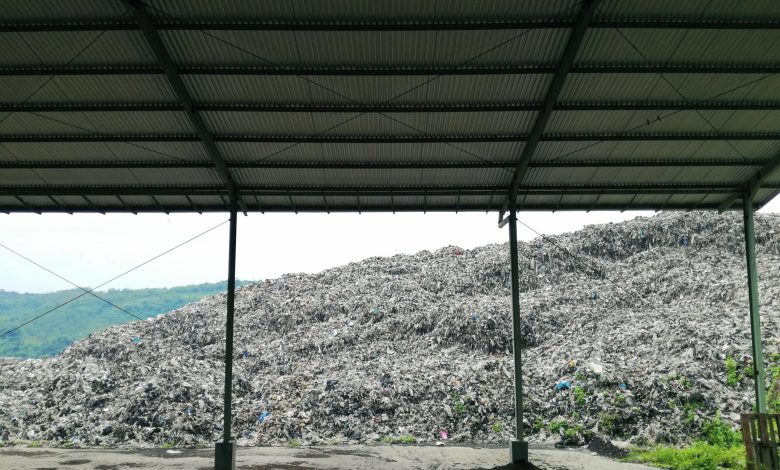
In 2024, plastic waste accounted for 19.71% of Indonesia’s total waste, amounting to approximately 5.94 million tons. The majority of this waste originates from households, with only a small portion being effectively managed or recycled. This has led to severe environmental degradation, particularly in coastal areas, and has raised concerns about potential health consequences for the population.
The Plastics Circular Investment Initiative
The newly launched initiative aims to mobilize approximately USD 60 million in investment to support the establishment of a sustainable plastics value chain in Indonesia. This comprehensive approach encompasses both upstream and downstream activities:
- Upstream activities: Focusing on improving product design for plastic packaging to reduce waste at the source.
- Downstream activities: Enhancing plastic waste management systems to increase recycling rates and reduce environmental impact.
The initiative is backed by the Ministry of Economy and Finance (MOEF) of the Republic of Korea through the Korea Green New Deal Fund (KGNDF), demonstrating international support for Indonesia’s environmental efforts.
Alignment with National Goals
Priyanto Rohmattullah, Bappenas Director of the Environment, emphasized that this initiative aligns closely with the government’s efforts to implement the recently launched Indonesia Circular Economy Roadmap and Action Plan for 2025-2045. He noted the high investment potential in Indonesia, citing growing interest from local investors due to increasing awareness of environmental issues and shifting consumer preferences towards sustainable products.
GGGI’s Role and Global Context
Rowan Fraser, GGGI Indonesia Country Representative, highlighted the organization’s extensive experience in supporting member and partner governments in implementing circular economy principles across various sectors. He also emphasized the importance of aligning Indonesia’s efforts with global initiatives, such as the ongoing UN Intergovernmental Negotiating Committee on Plastic Pollution, which will likely shape future international standards for plastics management3.
Current State of Plastic Recycling in Indonesia
According to the Ministry’s Directorate of Upstream Chemicals, Indonesia currently has about 700 recycling companies of various sizes, collectively contributing to the recycling of approximately 300 billion tons of plastic annually. However, the industry faces several challenges:
- Most recycled plastics, often processed into pellets, are exported rather than used domestically.
- Low supply of raw materials for plastic pellet production.
- Limited domestic demand for recycled plastic pellets.
- Price instability, which disincentivizes local recycling companies.
Government Initiatives and Future Plans
To address these challenges and promote a circular economy, the Indonesian government is taking several steps:
- Pushing for improvements in relevant infrastructure.
- Facilitating investments to establish 148 recycling plants in 10 provinces by 2045.
- Developing a more robust regulatory framework.
- Promoting sustainable financing in the circular plastics sector.
The Road Ahead
As the Plastics Circular Investment Initiative moves forward, it will conduct a comprehensive landscape analysis to identify key approaches for improving the sustainable plastic value chain. Bappenas has emphasized that this analysis should align with the goals set by the Intergovernmental Negotiating Committee on Plastic Pollution, which aims to reduce plastic volume by over 80% by 2040 through a circular economy approach.
This collaborative effort between GGGI, Bappenas, and international partners represents a significant step towards addressing Indonesia’s plastic waste challenge. By combining investment, policy reform, and technological innovation, Indonesia is positioning itself to become a leader in sustainable plastics management in the coming decades.
source :
https://gggi.org/?p=71554