What is BRT and why do cities need it?
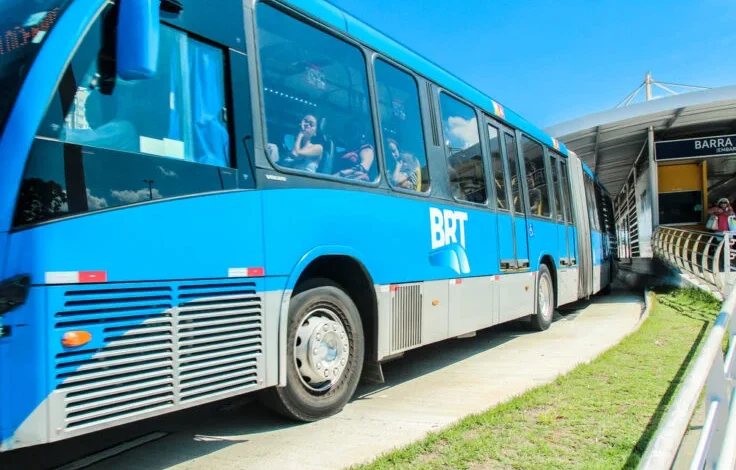
As cities around the world face increasing congestion, pollution, and economic disparities, the need for efficient, affordable, and sustainable public transportation has never been greater. One of the most effective solutions is Bus Rapid Transit (BRT) a high capacity, bus-based system that combines the speed and reliability of rail transit with the flexibility and lower cost of buses. Originally developed in Brazil in the 1970s, BRT has since expanded to nearly 200 cities worldwide, spanning thousands of kilometers.
Over the past decade, the Institute for Transportation and Development Policy (ITDP) has been at the forefront of promoting high-quality BRT systems that enhance mobility, reduce environmental impact, and support economic growth. In 2012, ITDP introduced the BRT Standard, an evaluation tool developed with global transport experts to help cities implement best practices. The latest 2024 Edition incorporates extensive feedback from practitioners and policymakers, ensuring that BRT continues to evolve as an essential component of modern urban transit.
Why Cities Need Rapid Transit
The way a city moves directly impacts its economy, environment, and quality of life. Cities that rely too heavily on private vehicles suffer from gridlocked streets, high pollution levels, and rising transportation costs. Meanwhile, well-planned public transit systems improve mobility, reduce congestion, and create more livable, prosperous communities.
BRT is one of the most cost-effective and scalable solutions for urban transportation. Unlike metro or light rail systems, BRT can be implemented at a fraction of the cost while still offering fast and reliable service. By operating on dedicated bus lanes, BRT avoids the delays caused by mixed traffic, allowing for higher speeds and more predictable travel times. Its flexibility also means it can be adapted to fit a city’s unique infrastructure, whether that means integrating with existing road networks or complementing other transit options like metro lines and cycling paths.
What Defines a High-Quality BRT System?
Not all bus systems qualify as BRT. According to ITDP’s BRT Standard, a corridor must be at least three kilometers long and include several key features that distinguish it from regular bus services:
- Dedicated Right-of-Way – Buses operate on exclusive lanes, preventing interference from other vehicles and ensuring consistent speed.
- Busway Alignment – Running buses in the center of the road (rather than curbside) minimizes conflicts with turning vehicles, further improving efficiency.
- Off-Board Fare Collection – Riders pay before boarding, reducing delays and allowing buses to load passengers more quickly.
- Intersection Treatments – BRT corridors include signal priority or dedicated turning lanes to keep buses moving smoothly through intersections.
- Platform-Level Boarding – Raised platforms at stations make boarding easier, particularly for passengers with disabilities, strollers, or heavy bags.
These elements work together to deliver a transit experience that rivals rail systems in terms of speed, reliability, and comfort but at a significantly lower cost. This makes BRT an ideal choice for cities seeking to expand public transit access without breaking the bank.
The Far-Reaching Benefits of BRT
BRT is more than just a transit system it’s a tool for urban transformation. Here’s how it benefits cities and their residents:
1. Boosting Local Economies
A well-designed BRT system connects people to jobs, education, and essential services, increasing economic opportunities for residents. Studies have shown that properties along BRT corridors tend to rise in value, attracting investment and business growth. Additionally, faster commutes mean higher productivity and more time for people to engage in economic and social activities.
2. Making Transit More Equitable
Public transportation should be accessible to everyone, including lower-income residents, seniors, people with disabilities, and caregivers. BRT, when designed with universal access in mind, provides a reliable and affordable option for those who need it most. Unlike expensive rail systems, which often take decades to build, BRT can be deployed quickly and affordably, ensuring that more people have access to high-quality transit sooner rather than later.
3. Reducing Traffic and Pollution
Car-dependent cities face worsening congestion and air pollution, leading to severe health and environmental consequences. BRT helps shift people from private vehicles to efficient public transport, reducing carbon emissions and improving air quality. Cities that adopt electric or hybrid BRT fleets can significantly cut pollution levels, contributing to a cleaner and healthier urban environment.
4. Adapting to Urban Growth
Cities are expanding rapidly, and transportation systems must keep pace. Unlike rail projects, which require massive infrastructure investments and long construction timelines, BRT can be implemented quickly and at lower costs. This adaptability makes it an ideal solution for rapidly growing cities that need scalable transit solutions to accommodate rising demand.
A Smarter Path Forward
As the world continues to urbanize, the future of cities depends on smart, sustainable transportation choices. BRT offers an efficient, cost effective, and environmentally friendly alternative to car dependency, helping cities reduce congestion, improve mobility, and foster economic growth. By implementing well-designed BRT networks, city governments can ensure that public transit is not just a necessity, but a powerful driver of progress.
The question is no longer whether BRT is a viable solution it’s how quickly cities can implement it to secure a more connected, cleaner, and more prosperous future.
source: