What is an inclusive city?
Crafting Urban Spaces for Everyone: The Power of Inclusive Cities
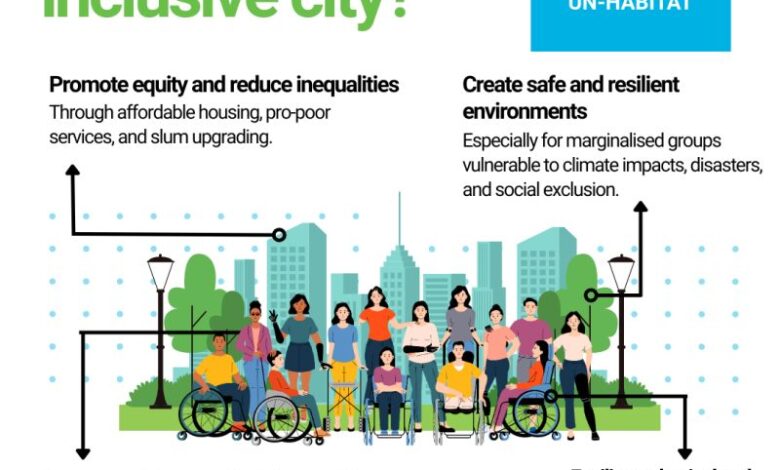
An inclusive city is more than just a collection of buildings; it’s an urban area intentionally designed, governed, and managed so that everyone, regardless of their background, can thrive. This means that income, gender, age, ethnicity, disability, or migration status don’t stand in the way of a resident’s ability to access, participate in, and benefit from all that urban life has to offer.
Key Pillars of an Inclusive Urban Environment
Building a truly inclusive city requires deliberate investment and policy-making. The most successful examples focus on these core areas:
- Affordable and Secure Housing: Ensuring that residents have access to safe, stable, and affordable places to live is the foundation of an inclusive city.
- Accessible Public Transit: A robust and accessible transportation system connects all residents to jobs, education, healthcare, and social opportunities, regardless of their physical abilities or where they live.
- Thoughtful Urban Design: Public spaces, sidewalks, and infrastructure are designed with the needs of diverse populations in mind, including children, the elderly, people with disabilities, and women.
- Economic Empowerment: Creating and supporting economic opportunities within low-income communities helps to ensure prosperity is shared by all.
- Integration and Welcome: Actively working to integrate migrants and refugees into the social and economic fabric of the city fosters a sense of belonging and community.
- Protecting Vulnerable Populations: Policies are put in place to prevent the displacement and gentrification of vulnerable communities, allowing them to remain in their homes and neighborhoods.
The Profound Impact of Urban Inclusion
The benefits of creating inclusive cities are far-reaching and transformative. When cities fail to be inclusive, they often face a downward spiral of increased poverty, deepening inequality, and rising social tensions.
Conversely, a city that embraces inclusion experiences a powerful upward trend:
- Boosted Social Cohesion: By bringing diverse groups together, inclusive cities build stronger, more resilient communities.
- Increased Economic Productivity: When all residents can access jobs and opportunities, the entire city’s economy benefits.
- Enhanced Climate Resilience: As highlighted in the World Cities Report 2024, inclusion is crucial for effective climate action. The most vulnerable populations often bear the brunt of climate change, and by empowering them, cities can better prepare and respond to environmental risks.
Ultimately, an inclusive city is a smarter city one that leverages the full potential of all its people to create a more prosperous, equitable, and sustainable future for everyone.
source: