
Scope 1, 2, 3 & Circular Thinking
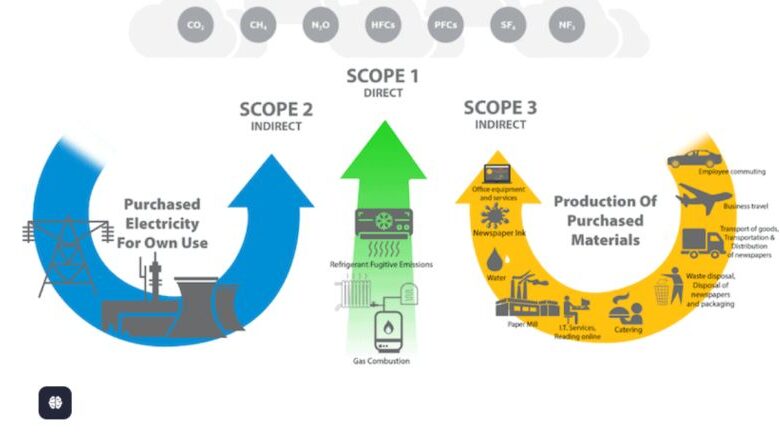
Understanding Your Emissions Footprint Is the First Step to Owning It
Many organizations boast about being “sustainable,” yet can’t account for how much carbon they actually produce—or where it comes from.
Here’s the breakdown:
🔴 Scope 1 – Direct emissions from company-owned sources (e.g., fuel combustion, fleet, onsite processes)
🔵 Scope 2 – Indirect emissions from purchased energy (e.g., electricity, steam, heating, cooling)
🟢 Scope 3 – All other indirect emissions from upstream and downstream value chains (e.g., business travel, purchased goods, waste disposal, end-use of sold products)
🔍 Most companies focus on Scope 1 & 2… but Scope 3 can account for over 70% of a business’s total emissions.
Now combine that with circular economy indicators, and you unlock next-level sustainability:
♻️ Material Circularity Index (MCI) – Measures how much material is reused or cycled back
♻️ Product lifespan extension – Designing for durability, reparability, and reuse
♻️ Waste diversion rate – % of waste redirected from landfills or incineration
♻️ Recycled content usage—How much of your input is post-consumer/post-industrial?
🌐 True environmental leadership isn’t just reducing emissions. It’s redesigning systems to eliminate waste before it’s even created.
If you’re not measuring this, your ESG report might just be an expensive brochure.
➕ What’s one strategy your team is using to cut Scope 3 emissions or close material loops?
Source:


