Waste to urban value
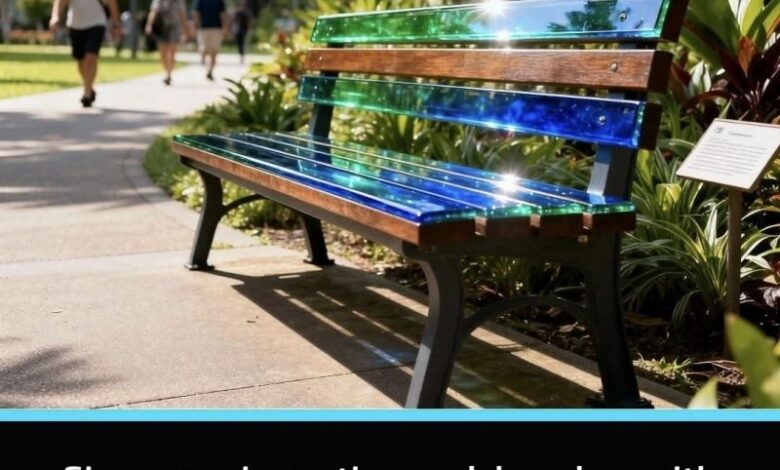
Singapore is redefining the lifecycle of urban waste by transforming discarded shampoo and detergent bottles into durable infrastructure for its public spaces. This initiative serves as a practical blueprint for the “Circular Economy,” demonstrating how post-consumer plastics can be diverted from landfills and incinerators to create resilient urban environments.
The Innovation: From Waste to Protective Coating
Rather than simply recycling plastic into lower-grade products, this approach repurposes high-density plastics to solve a specific tropical challenge: maintaining wooden outdoor furniture in a high-humidity environment.
- The Process: Collected post-consumer plastics, such as shampoo and detergent bottles, are thoroughly cleaned and melted.
- The Application: The melted plastic is applied as a protective outer layer over wooden park benches.
- The Result: This creates a strong, glossy surface that shields the underlying wood from extreme heat, humidity, and heavy public use.
Strategic Advantages of a Circular Approach
By treating discarded materials as assets rather than liabilities, the city achieves three distinct goals:
| Feature | Impact on Urban Infrastructure |
| Resource Transformation | Extends the useful life of everyday plastics by turning them into durable urban materials. |
| Climate Resilience | Enhances resistance to tropical weather conditions, significantly reducing the cost and frequency of maintenance and replacements. |
| Public Visibility | Provides a tangible, visible example of the circular economy in action, showing citizens how waste can be kept in use instead of becoming pollution. |
The Bigger Picture: Rethinking Material Lifecycles
This initiative represents a fundamental shift in urban design and waste management. By integrating recycled materials into long-term infrastructure solutions, cities can decrease environmental pressure while simultaneously increasing the longevity of public assets.
Small-scale innovations in material science demonstrate that circular thinking can turn everyday waste into lasting value, proving that the cities of the future will be built from the resources we once threw away.
source: