The System Behind Sustainability
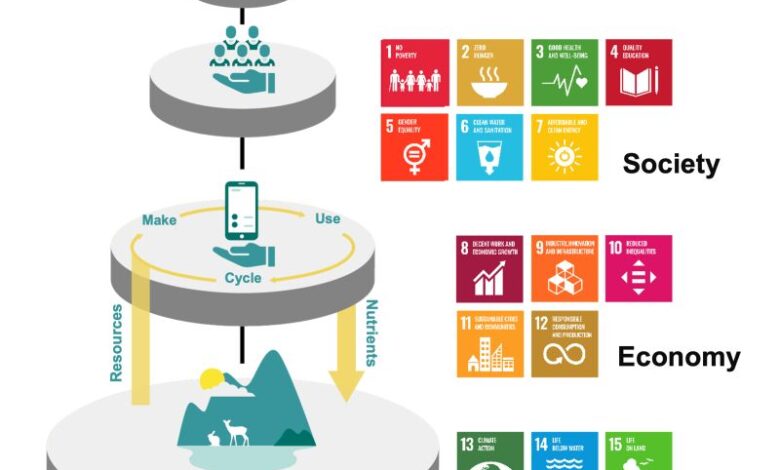
Sustainability isn’t a single action—it’s a system. And this visual captures it perfectly.
At the foundation lies the environment: ecosystems that provide resources, absorb waste, and sustain life. Without protecting nature, everything above it collapses. Think climate stability, biodiversity, and clean water—these are not “nice-to-haves,” they are prerequisites.
Built on that is the economy. But not the traditional linear model of “take, make, waste.” Instead, this highlights a circular approach—where products are designed to be reused, recycled, and regenerated. The shift from consumption to circulation is what will define resilient economies moving forward.
Above that sits society. Education, health, equality, and access to basic needs form the backbone of human development. Economic growth means little if it doesn’t translate into improved quality of life.
At the top? Governance. Strong institutions, partnerships, and justice systems ensure that the entire structure functions fairly and effectively. Without good governance, even the best sustainability strategies fail.
This layered system reflects the vision of the United Nations Sustainable Development Goals—where environment, economy, and society are deeply interconnected, not separate silos.
The key takeaway:
You can’t solve climate change without fixing economic systems.
You can’t build economic growth without strengthening society.
And none of it works without accountable governance.
Sustainability is not a goal—it’s a design principle for how everything should work together.