A Battery That Disappears
A Battery That Disappears
What if the future of batteries wasn’t just rechargeable…
What if it was returnable to nature?
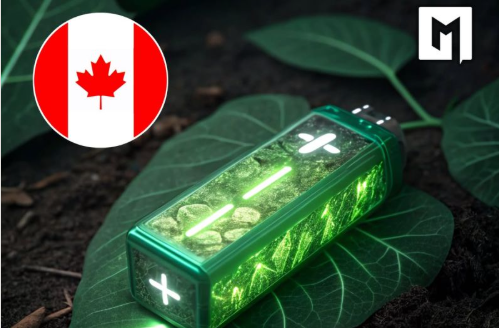
Researchers in Canada have developed a biodegradable battery that uses cellulose nanofibers derived from tree pulp. Designed for low-power electronics, the prototype can break down in soil in around 60 days, significantly reducing the electronic waste left behind by conventional disposable batteries.
This isn’t about replacing the lithium-ion batteries in electric vehicles or smartphones—at least not yet.
It’s about rethinking the millions of single-use electronic devices we discard every year.
Environmental sensors.
Medical implants.
Smart packaging.
RFID tags.
Internet of Things (IoT) devices.
Many of these products are used briefly but leave waste that can persist for decades.
Biodegradable batteries offer a different path.
Instead of becoming another item in a landfill, they are designed to complete their job—and then safely return to the environment.
This is a powerful example of designing for the entire product lifecycle, not just its performance.
Innovation isn’t only about making technology faster or more powerful.
It’s about making it smarter for the planet.
Of course, this technology is still in the research stage. Scientists continue to improve its energy density, durability, and scalability before commercial adoption becomes possible.
But every breakthrough starts with a new way of thinking.
The next generation of clean technology may not just reduce emissions.
It may eliminate waste by design.
That’s the essence of a circular economy: creating products that deliver value without leaving a lasting environmental footprint.
Sometimes, the most sustainable technology isn’t the one that lasts forever.
It’s the one that disappears when its work is done.