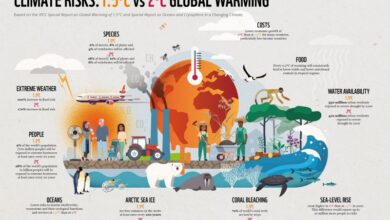
Climate risks | the fragile balance of our energy future

Climate change isn’t just a distant threat; it’s an active force reshaping the way we live, work, and power our world. One of the most critical sectors at risk? Electricity generation—the lifeblood of modern society.
This illustration highlights how the escalating impacts of a warming planet disrupt energy systems, threatening the reliability we often take for granted:
The Risks We Face
Rising Sea Levels: Coastal power plants and substations face inundation risks, leaving millions without power during storms and floods.
Intense Heatwaves: High temperatures reduce the efficiency of thermal power plants, strain cooling systems, and spike energy demand for air conditioning—creating a perfect storm for blackouts.
Extreme Weather Events: Hurricanes, typhoons, and storms damage critical infrastructure like transmission lines and wind turbines, causing widespread outages.
Water Scarcity: Droughts threaten hydroelectric plants and reduce the availability of cooling water for nuclear and coal-fired power stations, jeopardizing energy supply in water-stressed regions.
🌪️ Shifting Wind Patterns: Unpredictable wind speeds can affect the output of wind farms, reducing the reliability of renewable sources in certain regions.
Why It Matters
Electricity isn’t just about powering homes—it’s essential for hospitals, schools, transportation, communication, and the overall resilience of communities. When climate change disrupts the grid, it creates cascading impacts across all facets of society.
But it’s not just about disruption; it’s about survival. Without reliable electricity, the very systems designed to help us adapt to climate change—like emergency services, water purification, and cooling systems—could fail when we need them most.
Turning Risk Into Resilience
While the challenges are daunting, they aren’t insurmountable. Here’s how we can act now to protect and future-proof our energy systems:
1. Invest in Resilient Infrastructure: Elevate substations, reinforce power lines, and design facilities to withstand extreme weather conditions.
2. Diversify Energy Sources: Expand renewable energy portfolios, like solar and wind, while decentralizing grids to reduce vulnerability.
3. Embrace Innovation: Develop advanced technologies like grid-scale batteries to store energy and smart grids to manage demand and supply more efficiently.
4. Conserve Water: Transition to energy systems that use minimal water, reducing competition between power generation and agriculture.
5. Plan for the Future: Integrate climate risk assessments into energy policy, ensuring decisions today account for tomorrow’s climate realities.
The Path Forward
Climate change is testing the limits of our infrastructure, but it’s also a call to action. By recognizing the risks and proactively building resilient, sustainable energy systems, we can safeguard our future and reduce the human cost of inaction.
source :