Europe Closes the Waste Loophole
Europe Closes the Waste Loophole
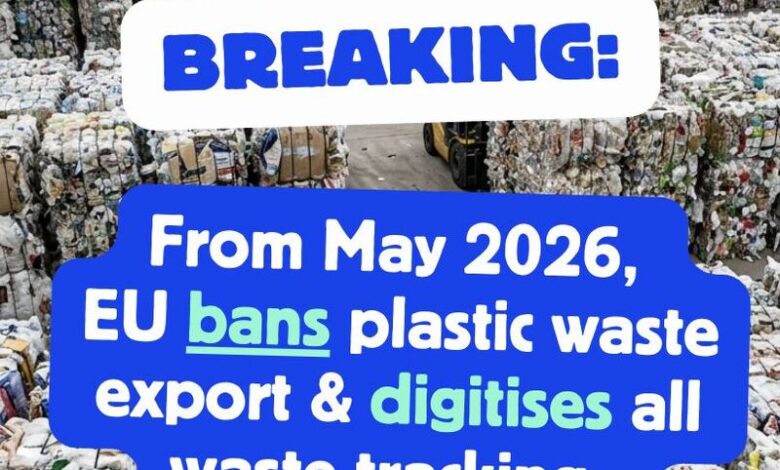
On 21 May 2026, the European Union launched a major overhaul of its waste shipment system, introducing mandatory digital tracking for cross-border waste movements and laying the foundation for one of the world’s toughest controls on plastic waste exports.
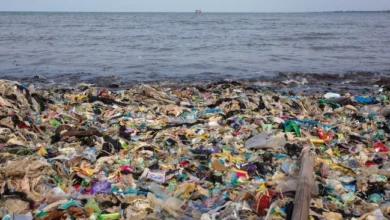
For decades, wealthy nations have exported millions of tonnes of waste overseas, often transferring environmental and social burdens to countries with limited waste management infrastructure.
That model is now facing a fundamental challenge.
Under the EU’s new Waste Shipment Regulation, waste movements are being digitized through a centralized tracking platform, improving transparency, traceability, and enforcement across the entire supply chain.
But the most significant change is still ahead.
From 21 November 2026, plastic waste exports from the EU to non-OECD countries will be banned.
This is more than a waste policy.
It is a signal that the global economy is beginning to rethink how materials are managed.
The traditional system treated waste as something to be moved elsewhere.
The emerging system treats waste as a resource that should remain in circulation.
The implications could be profound.
♻️ More domestic recycling capacity
📦 Greater material recovery
🔍 Improved supply chain transparency
🌍 Reduced waste dumping risks
🔄 Faster transition toward a circular economy
The real question is no longer where waste goes.
The question is how effectively economies can transform waste into value.
Because in a circular economy, the most valuable materials are often the ones already in use.