
Indonesia Blue Finance Landscape
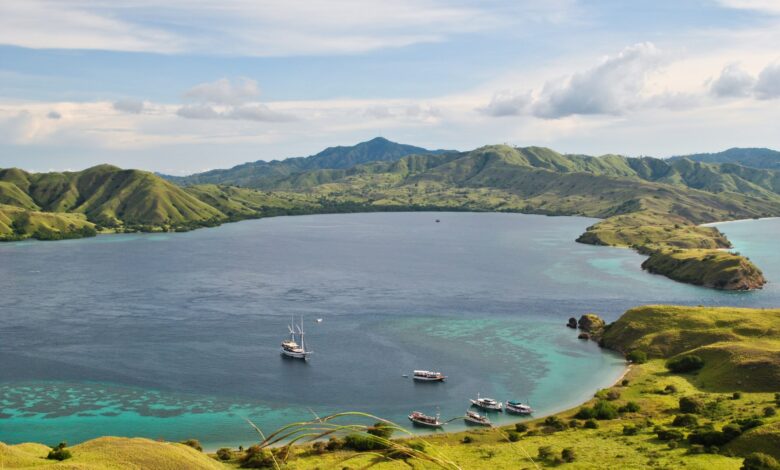
Indonesia’s Blue Economy: A Wave of Opportunity
Indonesia, the world’s largest archipelago, is a nation deeply connected to the sea. Its “blue economy” encompassing everything from fishing to tourism is a vital source of income, jobs, and food. In fact, marine commodities make up 10% of the global supply, and the fishing industry alone contributes 2.6% to the country’s GDP. This isn’t just about economics; it’s about feeding the nation, with fish and seafood providing over half of Indonesia’s protein.
The potential for growth in this sector is enormous, especially for the small and medium-sized enterprises (MSMEs) that are the backbone of the blue economy. Yet, a new study by CPI, the first of its kind, reveals a significant hurdle: access to finance.
The Paradox of Blue Finance
Between 2015 and 2019, commercial banks were the biggest players in blue financing, contributing over 90% of the private funds. They are the giants in the financial sea. However, a closer look reveals a paradox. Despite Indonesia having a high volume of loans for MSMEs compared to other Southeast Asian countries and a very low non-performing loan (NPL) rate, the overall lending rate for MSMEs is still low.
Why? The study points to a major barrier: collateral. Many commercial banks require physical assets as collateral for loans, something most MSMEs simply don’t have. This policy, while keeping the NPL rate low, effectively shuts out a large portion of the market from ever getting a loan in the first place.
Furthermore, most of this financing is concentrated on Java, the country’s most developed island, while the highest growth in the blue economy is happening in the Lesser Sunda Islands. This creates a geographic disconnect, leaving immense potential untapped.
Charting a New Course: Recommendations for a Thriving Blue Economy
To unlock the full potential of Indonesia’s blue economy, the CPI report offers three key recommendations. They propose a new course, one that focuses on building a more inclusive and productive financial ecosystem for MSMEs.
1. Lower the Barriers to Entry
The first step is to tackle the collateral problem head-on. The government can do this by:
- Improving credit assessment models: Developing new ways to evaluate the creditworthiness of MSMEs beyond just physical assets.
- Expanding financing coverage: Increasing the reach of financial services to rural and coastal areas.
- Providing customized assistance: Offering tailored support to help blue MSMEs access and manage loans.
2. Invest in People
It’s not just about money; it’s about knowledge. Many blue MSMEs lack the business skills needed to create sustainable financial strategies. Public funds can be used to invest in human capacity by providing:
- Technical assistance: Offering training on financial management and business planning.
- Partnerships and advisory services: Connecting MSMEs with experts who can help them structure their businesses and secure funding.
3. Spur Private Investment
Finally, the government can use public finance to catalyze private investment. This could be done through innovative financial instruments and services that reduce risk for private investors, such as:
- Risk-sharing platforms: Creating shared investment platforms that spread the risk of lending to MSMEs.
- Supply chain guarantees: Providing guarantees to lenders, making it safer to invest in the blue economy’s supply chain.
- Concessional loans: Offering low-interest loans to encourage more private lending.
- Natural disaster insurance: Providing insurance for fisheries to mitigate risks from natural disasters, a critical concern for this sector.
By focusing on these recommendations, Indonesia can transform its blue economy, making it more resilient, inclusive, and prosperous for everyone involved.
source:
https://www.climatepolicyinitiative.org/id/publication/indonesia-blue-finance-landscape/


