
Rethinking plastics: pollution, impact, and alternatives
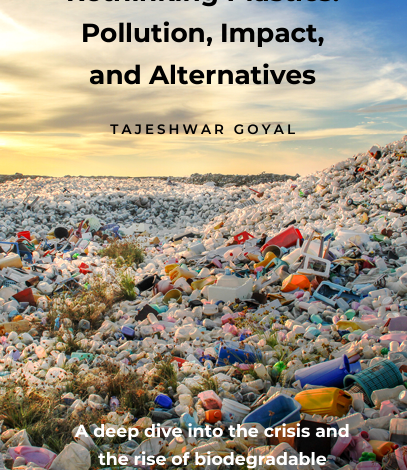
In a world increasingly defined by convenience, plastics have silently woven themselves into the fabric of our daily lives. From the packaging that wraps our food to the synthetic fibers that make up our clothes, plastic is ubiquitous. But this comfort comes at a catastrophic cost. The very material that makes our lives easier is choking our oceans, suffocating marine life, and altering ecosystems in ways that could be irreversible. We are standing on the precipice of disaster, and yet, this moment also offers an unprecedented opportunity for change—a chance to rethink our relationship with plastic before it’s too late.
Plastic pollution is not just a problem for the environment; it is a ticking time bomb for humanity. The impacts are vast and intricate, affecting marine ecosystems at every level, as demonstrated by mounting research and heart-wrenching visuals of animals suffering because of our carelessness. A single plastic bottle can drift through ocean currents for hundreds of years, breaking down into microscopic particles that infiltrate the food chain. From the smallest plankton to the largest whales, no creature is spared.
Take a moment to imagine: A sea turtle mistakes a floating plastic bag for a jellyfish, swallows it, and soon suffers from malnutrition because its stomach is filled with indigestible waste. A majestic whale, trapped by abandoned fishing gear, struggles in vain until it drowns. Microplastics, invisible to the naked eye, are ingested by fish, which are then consumed by humans, slowly poisoning us from within. This is the reality we face—a deadly cycle of destruction that connects the fate of ocean life to our own.
It’s not just about wildlife; the health of entire ecosystems hangs in the balance. Coral reefs, already under siege from climate change and ocean acidification, now face additional threats from plastic debris. These plastics smother the corals, blocking essential sunlight and oxygen, leading to disease and death. Once vibrant underwater forests that housed countless species become barren wastelands, robbing future generations of their beauty and biodiversity.
Yet, the tragedy of plastic pollution doesn’t end with ecological damage. It disproportionately affects the poorest communities around the globe. Coastal areas, particularly in developing nations, bear the brunt of our collective waste. Here, where proper waste management is often lacking, plastic waste accumulates in alarming quantities, clogging rivers and turning beaches into graveyards of trash. Local economies that depend on tourism and fishing suffer devastating losses, trapping vulnerable populations in a cycle of poverty and environmental degradation.
But there is hope. This is not a story of inevitable doom. It’s a call to action, a rallying cry for governments, corporations, and individuals to rethink our relationship with plastic. The solution doesn’t lie in just cleaning up the mess we’ve made; it lies in stopping the waste at its source.
Alternatives to plastic already exist. Biodegradable materials, plant-based packaging, and innovative recycling technologies are emerging as promising solutions. Some forward-thinking countries have taken bold steps—banning single-use plastics and implementing strict regulations to curb plastic production. But legislation alone isn’t enough. Every one of us has a role to play in turning the tide.
It’s time to reject the disposable mindset that has led us here. We must be conscious consumers, making informed choices about the products we buy and the waste we generate. By supporting businesses that prioritize sustainability and by demanding accountability from those that don’t, we can collectively shift the market toward more responsible practices. We must normalize reusability, celebrate innovation, and invest in infrastructure that can manage waste more effectively.
Imagine a world where marine life thrives, where our oceans are once again teeming with life instead of plastic. This isn’t a utopian fantasy; it’s a future within our reach. But it requires more than just information—it requires transformation.
We need to rethink plastics—not just the pollution they cause, but the way we produce, use, and dispose of them. Each action we take, however small, contributes to a larger movement for change. The oceans are crying out for help, and the time to listen is now. Because in saving the seas, we are saving ourselves.
The question remains: Will we rise to the challenge, or will we allow our convenience to be the death sentence for our planet’s oceans? The choice is ours, and the time to decide is running out.


