Run for rivers: an epic journey from Bali to Java battling plastic pollution
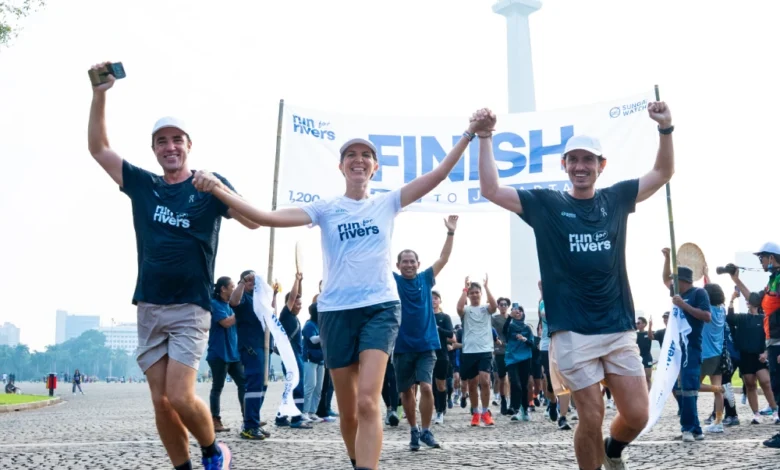
In an extraordinary demonstration of environmental activism, the founders of Sungai Watch siblings Gary, Sam, and Kelly Bencheghib completed a monumental 58-day ultra-marathon titled “Run for Rivers.” Running 1,205 kilometers from Bali to Jakarta, the campaign sought to raise $1 million to expand their river barrier operations to Java, the world’s most densely populated island.
Key Campaign Milestones & Metrics
[RUN FOR RIVERS: BY THE NUMBERS]
 ├── Duration: 58 Consecutive Days (March 28 – May 24, 2026)
 ├── Total Distance: 1,205 km (~28 Marathons) through 36 Regencies
 ├── Start & Finish: Kedonganan Beach (Bali) ➔ Monas, Merdeka Square (Jakarta)
 ├── Community Participation: 1,200+ local runners joined along the route
 ├── River Cleanups Organized: 24 cleanup events
 ├── Waste Removed: 22,000+ kg collected during the run
 └── Mobilized Volunteers: 4,337 individuals (60% local students)
Background: From Bottle Kayaks to River Barriers
The Bencheghib siblings, raised in Bali, first gained global attention in 2017 by navigating Java’s heavily polluted Citarum River in kayaks made from recycled plastic bottles.
In 2020, they founded Sungai Watch to tackle ocean plastic pollution at its source rivers, which act as the primary “arteries” carrying inland waste to the sea.
Impact to Date
- 368 River Barriers Installed across Bali and Java.
- 4.5 Million+ kg of Plastic Waste intercepted before reaching the ocean.
- 150 Full-Time Staff (“River Warriors”) operating across 9 sorting facilities.
- Sungai Design Established: A sister social enterprise that upcycles collected river plastics into high-end furniture to help fund ongoing operations.
The Reality on the Ground: Java’s Waste Crisis
While Bali receives significant international media coverage, Java presents a far more severe infrastructural challenge due to its massive population density. Through field interviews, data collection, and community engagement during their run, the team uncovered critical system gaps:
Major Field Discoveries:
Lack of Infrastructure: $90\%$ of interviewed households have no access to formal waste management services, making rivers or open burning their default disposal option.
Illegal Dumping: The team documented 108 new illegal dump sites along their route.
Dominant Disposal Practices: Most communities are forced to rely on three detrimental options: throwing waste into rivers, open burning, or dumping in unmanaged sites.
Advocacy and Future Outlook
The campaign served as both a fundraiser and an extensive environmental survey. Findings were shared directly with local regents (Bupati), mayors, and governors to advocate for waste management prioritization. In Jakarta, the siblings met with Vice President Gibran Rakabuming at the Presidential Palace to present their field data and policy recommendations.
“We now understand that the problem is much, much bigger than we imagined. It requires a lot of funding and a lot of systems thinking. But the people we’ve met have also given us hope.”
Sungai Watch Founders
At the conclusion of the campaign, Run for Rivers had raised over $320,000 toward expanding Sungai Watch’s infrastructure across Java.