Tahukah Anda
The world build waste to energy plant
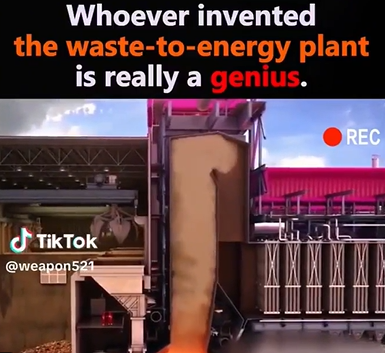
Transitioning from traditional landfills to waste-to-energy (WtE) plants would have a transformative impact on our environment, communities, and energy systems. Here’s a deeper look at how waste-to-energy could redefine waste management and tackle global issues:
1. Cleaner Cities and Healthier Communities
- Traditional landfills and dumpsites are hotspots for pollution, emitting harmful methane gas, spreading disease, and affecting air and water quality. These places often become breeding grounds for health issues and poverty.
- Waste-to-energy plants, on the other hand, process waste in controlled environments, significantly reducing harmful emissions and minimizing the health risks associated with open-air waste burning. This would make surrounding communities safer, cleaner, and healthier.
2. A New Source of Renewable Energy
- Waste-to-energy plants not only manage waste but also generate electricity from it. In a world facing energy challenges, particularly in regions with limited access to power, WtE plants provide a sustainable energy source that could help meet demand while reducing dependence on fossil fuels.
- By using waste as a fuel, WtE technology offers a dual benefit: waste reduction and energy generation. This clean energy can power homes, businesses, and essential services, contributing to a greener grid.
3. Mitigating Climate Change
- Landfills are major sources of methane, a greenhouse gas more potent than carbon dioxide in its impact on global warming. By diverting waste from landfills to WtE facilities, we can significantly reduce methane emissions, helping to combat climate change.
- WtE plants emit far fewer greenhouse gases than landfills. Modern WtE technology also includes advanced filtering systems to control emissions, making it a climate-friendly alternative to open dumps.
4. Reducing Plastic Pollution
- Landfills and dumpsites are overflowing with non-biodegradable waste, particularly plastic, which often finds its way into rivers and oceans. This pollution endangers marine life and disrupts ecosystems.
- WtE plants are designed to handle plastic waste, converting it into energy rather than allowing it to break down and pollute water sources. This can contribute to cleaner oceans and a reduction in microplastics.
5. Economic Growth and Job Creation
- Building and operating WtE plants creates jobs, from construction to engineering, waste collection, and plant operation. This boosts local economies and provides communities with new employment opportunities.
- Additionally, WtE facilities can generate revenue by selling the energy produced, offering a new economic stream while reducing the cost burden of managing landfills.
6. Solving the Energy Crisis
- With over 2 billion tons of waste generated globally each year, there is vast untapped potential for energy generation. Expanding WtE plants could contribute significantly to the global energy supply, especially in regions that struggle with power shortages.
- Unlike renewable sources like wind and solar, waste-to-energy can provide a consistent, stable source of power, helping to balance the energy grid and meet demand without reliance on weather conditions.
7. Moving Towards a Circular Economy
- Waste-to-energy supports a more circular economy by ensuring that waste is not simply discarded but transformed into something useful. It bridges the gap between waste management and energy production, reducing the need for new landfills and the depletion of natural resources.
- When paired with recycling, WtE plants help maximize resource recovery, ensuring that valuable materials are recycled while residual waste is used productively for energy.
Addressing Misconceptions About Pollution
- A common misconception is that WtE plants are major polluters. In reality, these plants are equipped with advanced technology to filter pollutants and control emissions. Most WtE facilities operate under strict environmental standards and release far fewer pollutants than traditional landfills.
- Open burning in dumpsites is the real culprit when it comes to pollution. Controlled combustion in WtE plants is far cleaner and more efficient, making it a sustainable alternative to open dumping.
By investing in waste-to-energy technology, we could transition from a world weighed down by waste to one that utilizes it as a valuable resource. Embracing WtE as part of an integrated waste management approach would mean cleaner cities, a healthier environment, a stable energy supply, and a pathway toward sustainable growth.
source :