The climate challenge breaking down 50 billion tons of carbon emissions with purpose
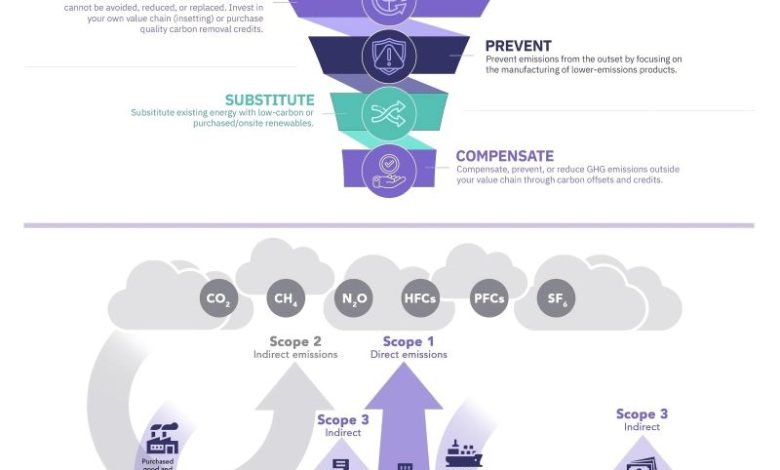
Imagine a world where every business becomes a champion of sustainability, actively turning the tide on 50 billion tons of carbon emissions. Achieving this requires more than ambition it demands structure, clarity, and bold action. Enter the Mitigation Hierarchy, a transformative framework guiding businesses to decarbonize with precision and purpose.
This isn’t just another roadmap. It’s a call to reimagine operations, challenge norms, and lead with accountability. At its core, the hierarchy prioritizes emissions reduction at their source ensuring the most impactful actions are taken first before turning to offsets or less direct solutions. It’s about aligning climate action with long-term business success while meeting societal and regulatory expectations.
Prevention & Reduction: The Power of First Steps
At the top of the hierarchy lies prevention and reduction the twin pillars of transformative change. Prevention asks businesses to pause and rethink: How can emissions be avoided altogether? This could mean redesigning processes, eliminating wasteful activities, or adopting entirely new ways of working.
Reduction, on the other hand, is about improving what already exists. By boosting efficiency, adopting cutting-edge clean technologies, or streamlining operations, businesses can significantly slash their carbon footprints. These steps don’t just reduce emissions they unlock cost savings, enhance performance, and future-proof operations. Prevention and reduction represent more than environmental gains; they’re smart business moves.
The Vision: A business world where avoiding waste and inefficiency isn’t just a goal it’s a default mindset.
Substitution: Transforming Inputs for a Greener Tomorrow
When prevention or reduction isn’t enough, substitution steps in. Here, businesses replace high-carbon inputs with sustainable alternatives—transitioning to renewable energy, adopting low-carbon materials, and integrating green technologies.
Substitution goes beyond compliance; it’s about integrating sustainability into the very DNA of operations. It’s a bold step forward, ensuring businesses stay competitive while driving meaningful change. Whether it’s solar panels powering a factory or biodegradable materials replacing plastics, substitution proves that sustainability and innovation go hand in hand.
The Vision: Every product, service, and process infused with sustainability without compromising performance or ambition.
The Bigger Picture: Aligning with Global Frameworks
The mitigation hierarchy doesn’t exist in isolation. It’s a tool that aligns perfectly with global climate frameworks like the Kyoto Protocol and the Paris Agreement. Nationally Determined Contributions (NDCs), crafted under these agreements, provide businesses with clear targets and timelines, fostering accountability and action.
By aligning with these frameworks, businesses aren’t just meeting regulatory expectations—they’re stepping into a leadership role. They’re signaling to consumers, investors, and stakeholders that they’re committed to a sustainable future. This isn’t just about compliance; it’s about seizing an opportunity to define market positioning, build trust, and drive innovation.
The Vision: A global marketplace where businesses are the torchbearers of international climate commitments.
Prioritizing Action: Urgency Meets Impact
Applying the mitigation hierarchy effectively requires more than good intentions—it demands strategy. Businesses must act with urgency, targeting the most impactful and cost-efficient solutions first. Timely action helps avoid financial risks, regulatory penalties, or reputational damage.
Clear metrics are the backbone of this strategy. They allow businesses to measure progress, demonstrate results, and adapt approaches when necessary. The key? Always focus on actions that yield tangible, measurable outcomes.
The Vision: A business ecosystem driven by data, transparency, and accountability, where every decision leads to meaningful impact.
The Takeaway: Building a Legacy of Leadership
The mitigation hierarchy isn’t just a framework—it’s a pathway to transformation. By addressing emissions head-on, businesses aren’t just contributing to climate solutions; they’re defining their legacy in a rapidly changing world.
Every decision whether it’s preventing emissions, reducing inefficiencies, or adopting sustainable alternatives paints a picture of a business that’s ready to lead. As we tackle the climate challenge together, the question is no longer if businesses will act but how boldly they’ll step into this moment of change.
source :