Only in Japan
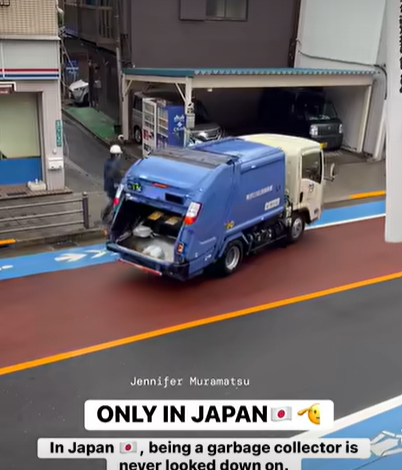
It is easy to look at Japan’s spotless streets and assume it is the result of magic. But the reality is far more grounded: it is the result of a culture that treats its waste management workers not as invisible laborers, but as essential civil servants.
Here is a deeper look at how Japan transformed garbage collection into a career of dignity and respect.
The Reality Behind the Respect
In Japan, sanitation workers are often referred to as seiso-in (cleaning staff). They are usually municipal employees or highly regulated contractors, which translates to stable, middle-class careers.
- Competitive Compensation: Unlike in many Western countries where sanitation work is often underpaid or heavily gig-reliant, Japanese garbage collectors earn a competitive salary. A veteran worker can comfortably support a family, earning wages comparable to or higher than entry-level corporate desk jobs.
- The “Spotless Truck” Phenomenon: If you see a Japanese garbage truck, you will notice it looks brand new. Drivers wash their trucks thoroughly at the end of every shift. This is not just for aesthetics; it reflects the concept of shokunin kishitsu (the craftsman spirit)—taking absolute pride in the tools of your trade, no matter what that trade is.
- Strict Social Partnership: Sanitation workers are respected because the citizens make their jobs manageable. Residents must wash out plastic containers, peel off labels, and sort waste into highly specific categories (sometimes up to 20 different types of trash depending on the municipality). If a resident messes up, the worker leaves a polite, color-coded warning sticker on the bag. It is a relationship of mutual accountability.
The Cultural Root: This deep-seated respect stems from Animism and Shinto traditions, which teach that cleanliness is close to godliness, and that all objects deserve respect. To mistreat someone who handles waste is seen as a failure of your own character, not a reflection of theirs.
Ultimately, Japan’s approach proves a powerful point: when you give workers proper uniforms, fair pay, and societal gratitude, you don’t just get clean streets you get a cohesive society where no one is left feeling invisible.