
Understanding carbon neutrality: a pathway to sustainable economic development
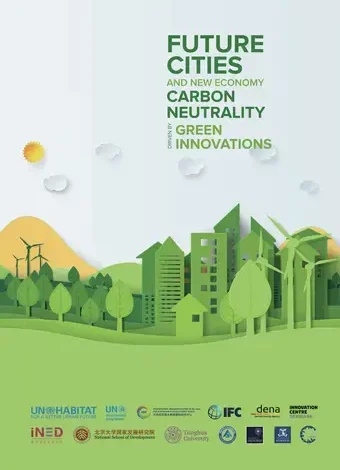
Projections indicate that cities are responsible for approximately 75 percent of global carbon emissions, underscoring their critical role in tackling climate change. While technology is essential, addressing climate impacts in cities also requires nuanced approaches in economic management and policymaking. Achieving carbon neutrality thus demands a multi-faceted strategy involving economic adjustments, innovative governance, and resilient policies.
The pursuit of carbon neutrality aligns closely with sustainable development and green recovery, especially as the world grapples with the lasting effects of the COVID-19 pandemic. As highlighted by UN Secretary-General António Guterres at the Leaders Summit on Climate in April 2021, the “trillions of dollars” mobilized for COVID-19 recovery represent resources borrowed from future generations. He stressed the importance of not locking in unsustainable policies that could leave future generations with “a mountain of debt on a broken planet.”
What Does Carbon Neutrality Mean for Economic Development?
Achieving carbon neutrality presents unique challenges and opportunities for global economies. Nobel Laureate William Nordhaus, in his 2009 paper for the Copenhagen Consensus on Climate, outlined several crucial considerations for shaping effective climate strategies:
- Economic and Non-Economic Impacts of Climate Change: Policies must address the economic consequences of climate change on markets and non-economic sectors, such as health and ecosystem services.
- Cost-Effectiveness: Reducing the costs of implementing climate policies is crucial for widespread adoption and maintaining economic stability.
- Strategic Planning for Emission Reductions: Policymakers must map out the scale and timeline of emission reductions, balancing economic returns with environmental goals.
- Asymmetric Risks and Irreversible Damage: Addressing climate change requires a risk-aware approach that accounts for the possibility of irreversible ecological impacts.
- Policy Tools: Effective policies need to be adaptive, incorporating tools that support carbon reduction while promoting sustainable growth.
Perspectives on the Journey to Carbon Neutrality
To explore the pathway to carbon neutrality, we selected four articles that delve into its implications from various perspectives: the role of cities, economic development, and policy innovation. Each article highlights the transformative vision needed to reduce emissions, alongside the challenges cities face in fostering sustainable growth amid climate goals.
As cities strive to meet carbon neutrality targets, they not only contribute to global climate objectives but also open pathways for green jobs, cleaner urban environments, and economic resilience. Together, technology, strategic policy, and economic foresight will play essential roles in forging a sustainable, carbon-neutral future.
source :
https://unhabitat.org/future-cities-and-new-economy-carbon-neutrality-driven-by-green-innovations


