𝗕𝗲𝗳𝗼𝗿𝗲 𝗠𝗼𝗻𝗲𝘆 𝗧𝘂𝗿𝗻𝘀 𝗚𝗿𝗲𝗲𝗻, 𝗗𝗲𝗳𝗶𝗻𝗲 𝗚𝗿𝗲𝗲𝗻
Green finance sounds simple.
But one of the hardest questions is still:
𝗪𝗵𝗮𝘁 𝗮𝗰𝘁𝘂𝗮𝗹𝗹𝘆 𝗾𝘂𝗮𝗹𝗶𝗳𝗶𝗲𝘀 𝗮𝘀 “𝗴𝗿𝗲𝗲𝗻”? 🤔 ♻️
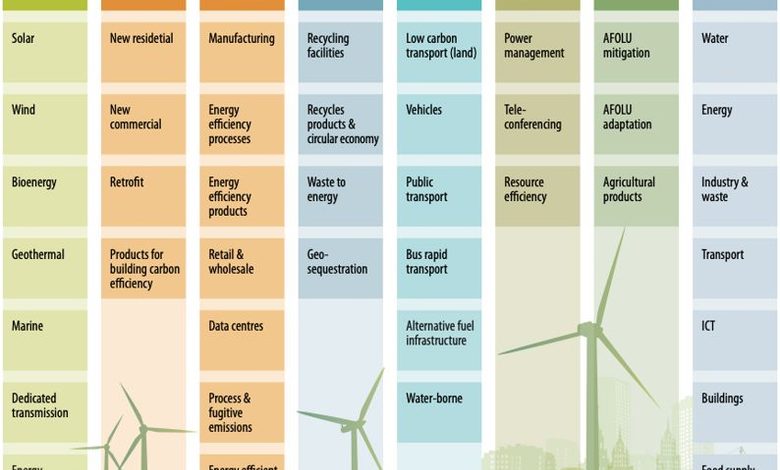
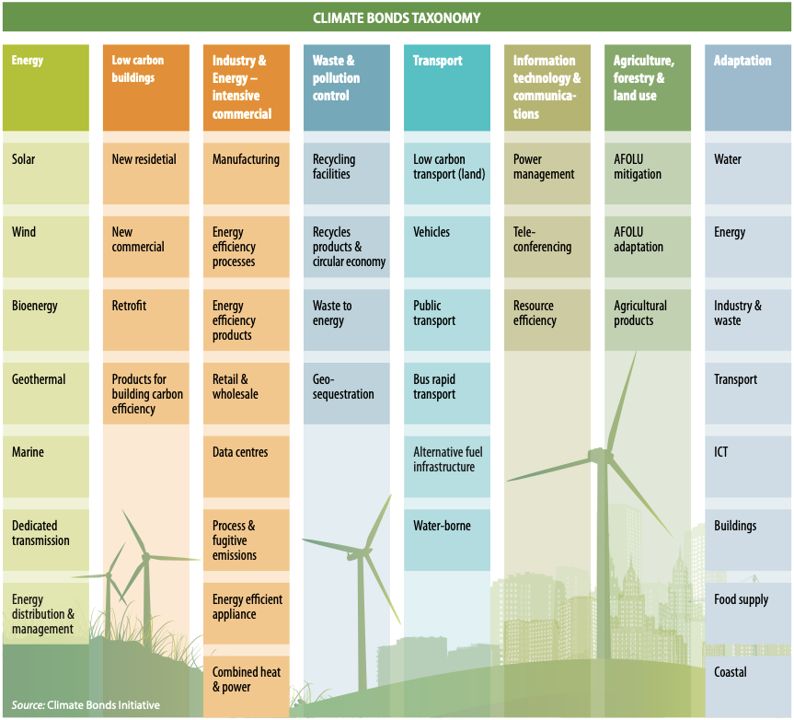
This infographic helps answer that.
It shows the Climate Bonds Taxonomy a classification of sectors and activities that can be considered climate-aligned, from renewable energy, low-carbon buildings and transport to waste, pollution control, agriculture, forestry, land use and adaptation.
𝗪𝗵𝘆 𝗱𝗼𝗲𝘀 𝘁𝗵𝗶𝘀 𝗺𝗮𝘁𝘁𝗲𝗿?
Because without a clear taxonomy, green finance can become too vague.
And when “green” becomes vague, greenwashing risk increases.
The Climate Bonds Initiative describes its taxonomy as a tool for issuers, investors, corporates and governments to understand what can deliver a low-carbon, climate-resilient economy, and to help align lending, policy and investment portfolios with credible climate outcomes.
For ESG and sustainability teams, this kind of framework helps in very practical ways:
▪️ identify eligible green projects
▪️ structure green bonds and sustainable finance products
▪️ guide internal capital allocation
▪️ improve investor confidence
▪️ reduce ambiguity in ESG claims
▪️ connect finance with climate mitigation, adaptation and resilience
The ForumIAS article also explains that green bonds are debt instruments used to raise funds for climate and environmental projects, with proceeds earmarked for green and environmentally sustainable purposes.
For me, the key message is simple:
Green finance is not just about raising money.
It is about directing capital towards the right activities with clear definitions, credible criteria, transparent reporting and measurable environmental outcomes.
Because if we want finance to support climate action, sustainability and planetary health, we must first be clear about what we are financing.
https://www.linkedin.com/feed/update/urn:li:activity:7501126900145369088